Afterward
When violence occurs in Alabama, the state’s concept of justice leaves out many victims, survivors, and their communities. What would they say if we invited them to speak?

Crime and punishment drive Alabama politics. Every time a major story about crime or violence or prisons breaks in the news, there is backlash from Alabama law enforcement and lawmakers calling for even more punitive measures in response. That backlash often provokes passionate responses from advocacy groups who point toward existing failures in our system of mass incarceration and raise concerns about the likely effects of making our justice system even harsher.
Again and again, these groups square off and resume familiar arguments in an effort to wrestle with the problem, which never seems to go away.
A few survivors’ voices occasionally rise to the surface. But the people who have the most power to create or change laws and policies in the wake of violence bear little resemblance to the people who are most harmed by it. Meanwhile, the cycle continues.
Afterward is an effort to broaden the discourse and bring unheard voices into the conversation where they belong.
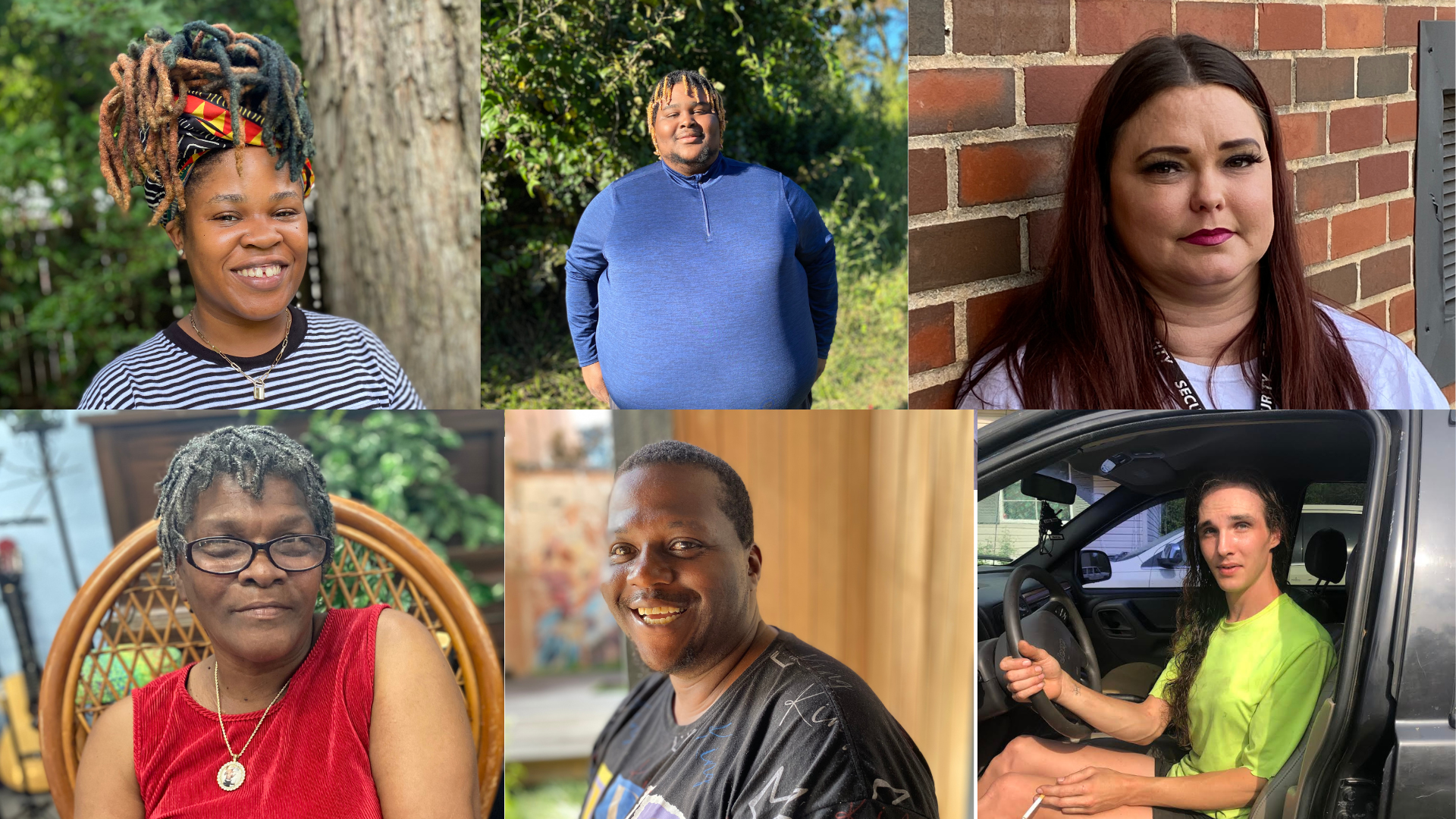
Afterward is intended to start a conversation – or many conversations – about what victims, survivors, and communities that experience high levels of violence need and want and create space for them to ask for it. It includes recommendations, but our primary recommendation to readers of this paper, including funders and people who have influence and access to power, is that they invest time and resources in the Alabama communities most impacted by violence.
They are the experts. It is time to listen to their words.

Alabama Appleseed Center for Law & Justice
400 South Union Street, Suite 355
Montgomery, Alabama 36104
2 Office Park Circle, Suite 10
Birmingham, AL 35223
Phone: (205) 963-7999
admin@alabamaappleseed.org
