Condemned
Hundreds of men are sentenced to die in prison for crimes with no physical injury. They haven’t given up on life. Why has Alabama given up on them?

The honor dorms of Alabama prisons have become another Death Row, filled with older men who have long turned away from violence, drugs, and crime. The Department of Corrections houses them in honor dorms because they are role models, men who have earned the trust of chaplains, wardens, counselors. To flip through their stacks of diplomas and certificates is a history lesson in the rehabilitative and educational opportunities offered in the prisons over the last 40 years. Drug treatment, anger management, barbering, Bible studies – to name a few.
Because of the Habitual Felony Offender Act, they will die in prison anyway.
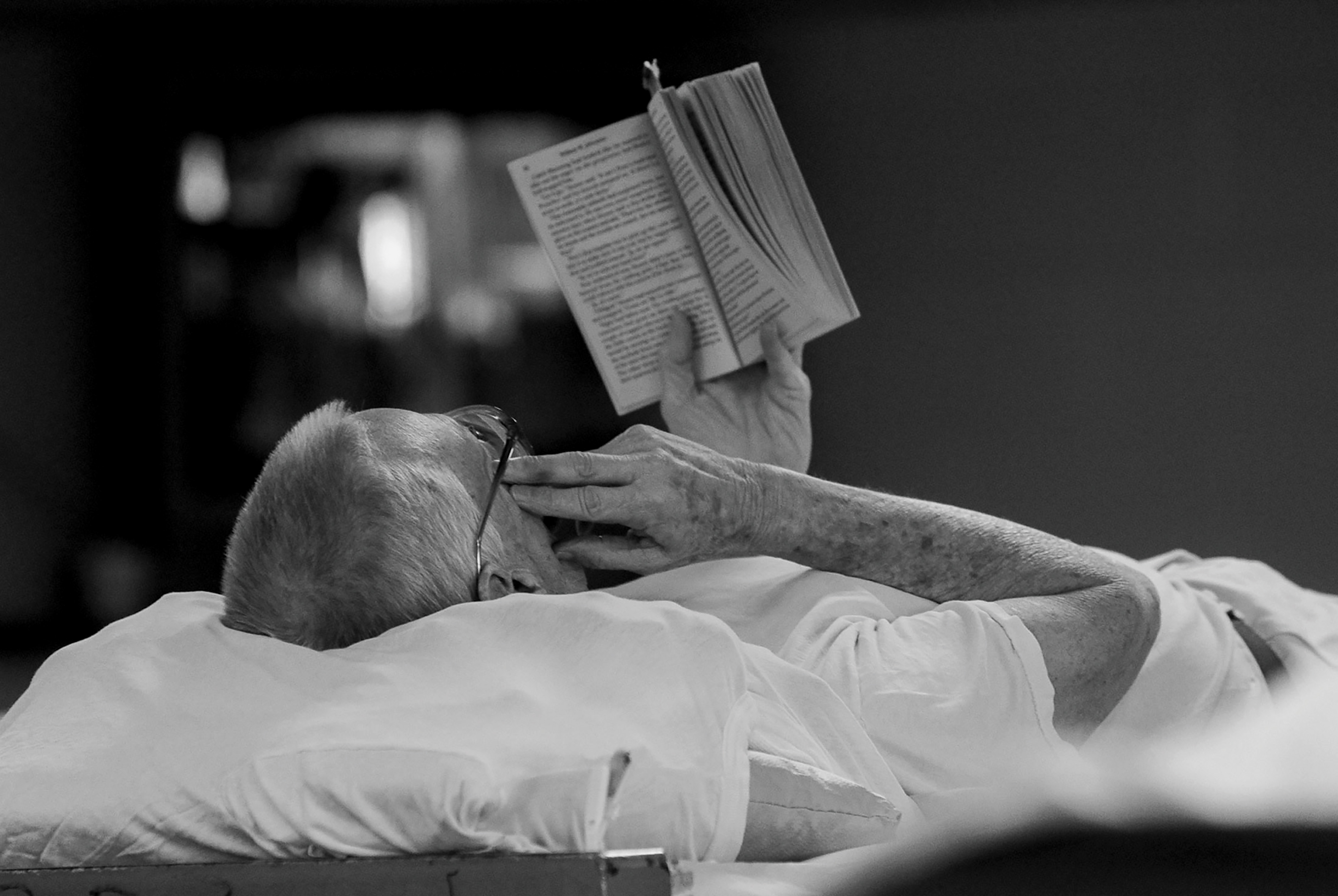 This report shares their stories. None of the men profiled here have convictions for crimes involving homicide or sexual offenses. For the majority, their most serious offense was first-degree robbery involving no physical injury. Often, their convictions stemmed from untreated alcohol and drug use, from growing up in dangerous homes in dangerous neighborhoods. By age 21, or 25, maybe early 30s, the system passed final judgment, determining they were irredeemable.
Life imprisonment without parole assumes rehabilitation is impossible, but these lives have shown that to be a lie. The human capacity for growth and change – when people have purpose – is irrepressible. That people with no hope for release have transformed while confined in prisons known for violence and despair is additional evidence that the system was wrong. And still is.
Among those serving life without parole whose most serious offense was robbery, the racial disparity is striking: 75% are Black.
There is a way to fix this.
Alabama should provide a mechanism for judges to review the sentences of people serving life without parole under the Habitual Felony Offender Act. Judges should have the discretion to “look back” and resentence older individuals with a demonstrated record of rehabilitation. Making the legislatively approved Sentencing Guidelines retroactive and ending Life Without Parole sentences for crimes involving no serious physical injury would also go far.
The Habitual Felony Offender Act does not make us safer. It fills prisons with senior citizens reading their Bibles, writing poems, mopping floors, avoiding others’ knives, and seeking one more class, one more program, one more chance to finally prove they are more than who they were 30 years ago.
Photo by Bernard Troncale
MEN CONDEMNED TO DIE IN PRISON
 JOHN MANLEY | AGE 60, has served 36 years for burglary.
John has earned an Associate’s Degree and worked as an accounting clerk while incarcerated at St. Clair Correctional Facility. Although no one was physically injured, nothing was stolen, and he had no contact with the victim, the Montgomery County District Attorney has opposed all resentencing efforts, even after the victim signed an affidavit supporting John’s release.
 MYRON MONROE| AGE 62, has served 32 years for $50 robbery while armed with a knife.
He works for the warden at Holman prison and has been involved in Alcoholics Anonymous and Narcotics Anonymous throughout his incarceration.
“After 30 years in prison, I have been rehabilitated. Any more time would be too long for snatching money from a cash register, which although wrong, is not deserving of my entire life. I am truly sorry. All I want is to go home to my family that I left so many years ago.”


Alabama Appleseed Center for Law & Justice
400 South Union Street, Suite 355
Montgomery, Alabama 36104
2 Office Park Circle, Suite 10
Birmingham, AL 35223
Phone: (205) 963-7999
admin@alabamaappleseed.org
