
An Appleseed-supported bill that would bring more fairness to the parole revocation process and help prevent unnecessary revocations that do not contribute to public safety has been filed in the Alabama Legislature.
SB254, sponsored by Sen. Sam Givhan, R-Huntsville, would give the parole board greater discretion when someone on parole is arrested for a minor offense or when they have committed technical violations. Current law mandates revocations in many of these kinds of cases. The rigidity of the existing statute has resulted in people with long histories of employment and compliance being returned to Alabama’s crowded and violent prisons unnecessarily.
SB254 was developed after years of research and communication with incarcerated Alabamians. Appleseed shared some of these stories in our Taking a Life report, which documented people across the state who were living successful lives and meaningfully contributing to the workforce, then sent back to prison on a parole revocation despite having no new convictions.
This common sense bill:
- Ensures the parole board is able to consider all the facts when someone on parole has been charged with a new offense, but not yet convicted, to determine whether they are satisfied that the individual seems to have committed the offense.
- Ensures people with certain underlying offenses who have been arrested for more serious crimes are still automatically revoked, but allows the board discretion when those same individuals are arrested on more minor charges or when they have committed a technical parole violation.
- If an individual’s parole has been revoked for a new charge and that charge is later dismissed or worked down to something more minor, the board may automatically reinstate parole or bring the individual back before them within 90 days for a review.
Among the people impacted by this bill are Archie Hamlett and Vinson French, both men in their 50s, who were incarcerated under life sentences for nonviolent crimes, then eventually released on parole. They spent years working and contributing to their communities, then were arrested on new charges that never resulted in convictions..
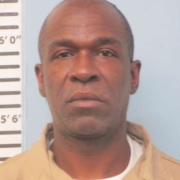
Mr. Hamlett now, following revocation
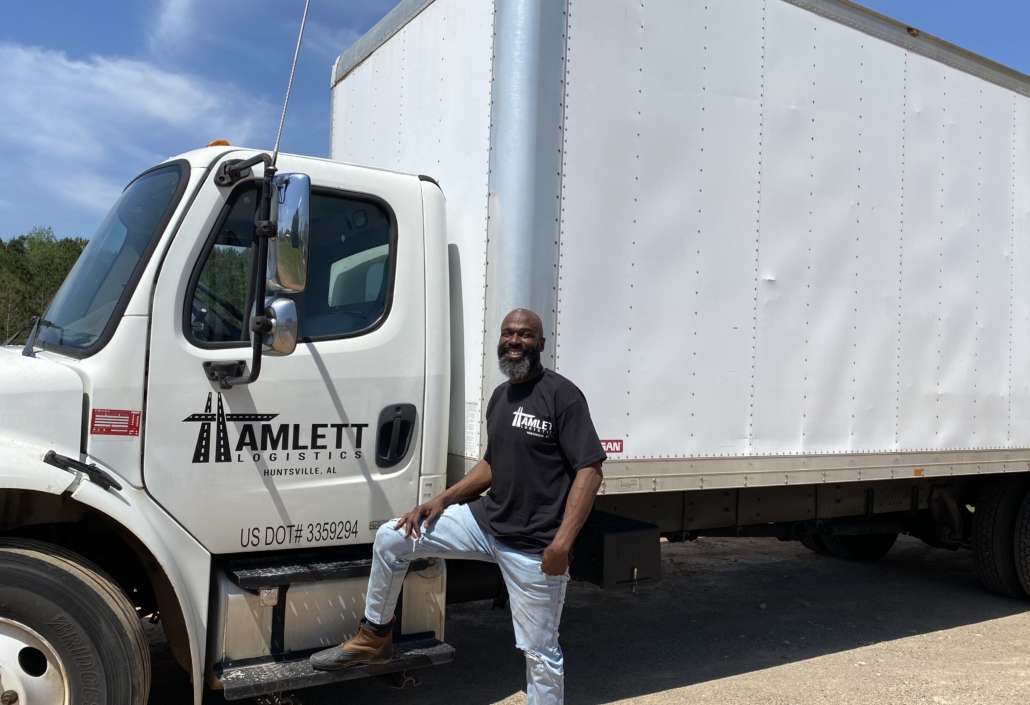
Archie Hamlett at his home in Hazel Green before his parole was revoked last year.
Mr. Hamlett, who is 53, is currently trying to manage his trucking company, Hamlett Logistics, from Easterling Correctional Facility. He was paroled from prison, where he served decades on a marijuana trafficking conviction, and was a successful business owner and homeowner. Last January, Madison County deputies pulled him over as he drove home on icy roads after suspecting he was driving under the influence. While he was detained on the side of the road, he requested to retrieve a urinal from his truck; Mr. Hamlett has a documented medical condition. The deputies declined that request, and he urinated beside his truck. He was charged with public lewdness, a misdemeanor that was later nolle prossed on a motion by the state, meaning they declined to prosecute the case, noting that he was already returning to prison through mandatory parole revocation. SB254 would have provided the parole board discretion to consider all of the circumstances involved in his arrest, including his medical condition, the minor nature of the public lewdness charge, the behavior that contributed to that charge, and any recommendations from his parole officer. When the charges were nolle prossed by the state, Archie’s revocation would have been revisited by the board.
Mr. French, who is 59, has not committed a new felony in 35 years. While at work in 2020, he was charged with theft because he was sitting in a truck near a trailer filled with stolen scaffolding. A Montgomery County District Court Judge quickly dismissed the charges for lack of probable cause and ordered him released. However, his parole had already been revoked and he was transported back to prison. For more on the frustrating chain of events that have left Mr. French languishing in prison as he nears age 60, please read our report, Taking a Life: With life sentences, the State of Alabama controls thousands of rehabilitated individuals long past the point of danger, until death. But why?



Leave a Reply
Want to join the discussion?Feel free to contribute!