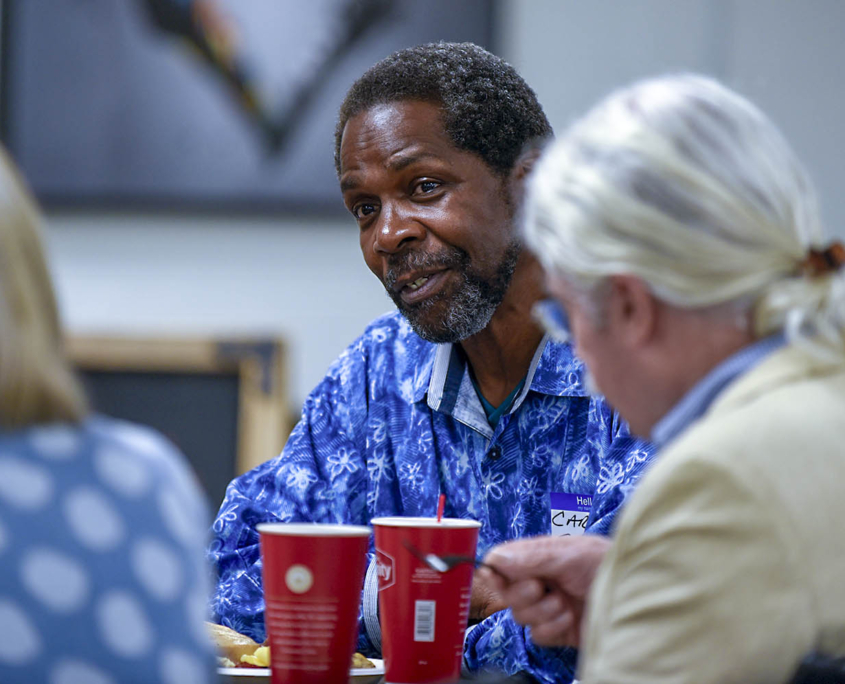
In recognition of National Crime Victims Rights Week, Appleseed is sharing a series of blog posts on grief, trauma, loss, and healing by our Community Navigator, Callie Greer. Callie is a powerful voice for survivors in Alabama. Based on her own experiences losing two children, working through grief, finding forgiveness, and passing on her life’s lessons to others, Callie has been a catalyst for healing. Her wisdom needs to be captured and shared. 

By Callie Greer,  Appleseed Community Navigator 

Greetings, pray all is well with you and yours. I’m here again to continue the conversation about my lived experiences, specifically with violent crime. My last couple of blogs were an introduction of those experiences and future blogs in this time and space, which has been proclaimed Crime Victims/Survivors Month. I previously offered a trigger warning; that offer still stands today.

Here again, I am attempting to share with you some of my journey and the different roads I have taken to reach a place of healing and peace. In the process, I’m also trying to bring others into the fold so they can share as well and offer suggestions, ideas, and actions– resources we can use to gain strength and knowledge to help us along the way. 

I am not and will never claim to be an expert in this, but who I do claim to be is a woman, mother, wife, sister, aunt, and friend who needs others I can sit and talk with who get me. A place where I don’t have to explain every reason why I’m some kind of way, or as they say nowadays, “in my feelings”. For example, April 2nd was not necessarily a special day for a lot of folks, but for some it was. For our family it was Edwin’s 32nd birthday. Edwin is my nephew who died from gun violence, and we never really got the whole truth about his death. They labeled it, “accidental self-inflicted”. That never really sat well with us; there are too many unanswered questions. This is a hard place to be in, and I don’t promise you that it will change today. But I do promise you that confronting, naming, speaking, and finding healthy ways to release your stress and emotions will bring about a better change in your life. This is a life-long process for most of us, and it requires attention early on. The longer we don’t attend to it, the more layers we have to remove.

Mourning for me was and still is, just not as often. Accepting the new reality of my loss and what that means is constant. These life-changing experiences have altered our lives in ways we never imagined and ways we still can’t quite comprehend. I have to be careful not to get caught up in the “what if’s” or the “why did it happen to me’s”, because, for me, it only creates more layers I will have to peel back later. 

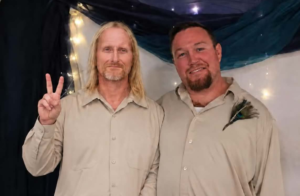
Callie and her husband Greer, a strong and steady force for good as she navigates grief, mourning, and healing

Am I suggesting that we move along as if this never happened? Lord, no! We have to push forward, work through, and find that niche that gives us what we’re looking for. It’s different for all of us, but in many ways it’s the same. We all want peace, assurance, safety… some kind of guarantee that we won’t have to endure this again. That’s not something anyone can offer, but we can find peace, become motivated, and create the legacy we want for our loved one. My motto is, “Don’t waste your pain, create something terribly beautiful out of it.” Take control of your healing process. I’ve brought my husband, daughters, granddaughters, son, and other family members into my healing process, exposing them to the same experiences that I and others dedicated to this work receive. They get to take the medicine, too. Accepting the truth is powerful. Having family with me to help also creates an opening for more conversation. There have been times when we’ve had some deep and revealing conversations about our hurts where we realize our experience of the loss of our loved ones looks different– that’s part of what the peeling off the layers looks like, too.

Callie founded MAAVIS, Mothers Against All Violence in Solidarity, to bring other families in her circle of support support.

I talk with so many strong women who have endured, and are enduring, loss after loss. I pull on them for knowledge of how they are able to continue and strive after so much pain, hurt, and loss. If you want to know, you’ll have to come and see us. It looks like they go through these losses in ways we could never see ourselves, but they would be the first to tell you they weren’t always like this, that they still mourn their losses and they just found their niche– the outlets that work for them. Some paint, write poetry, cook, bake, sew, sing, and encourage others. Some make healing baskets, do outreach, start organizations, and put up with folks like me. But they each worked until they found it, and then they put it to use to help others. 

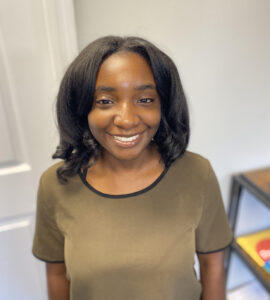
Callie Greer, the author

In my 27 plus years of mourning, I have found that helping others has been one of the strongest healing medicines; the strongest medicine I have taken is forgiveness. It has helped me through my healing process in ways you can’t imagine. It truly is, for me, a medicine for my mind, heart, body, and soul. 

Mourning and the process of mourning are necessary. If done in a healthy way, we can find it easier to move forward without feeling guilty about living a good, happy, healthy life. It doesn’t mean forgetting your loved one. We find a place in our thoughts for them that leaves room for others to be loved and valued as well. 

I’d like to leave you with a story if I can. Not long after Mercury was killed, my friend Michelle Browder took me to Atlanta, where her sister, Tracey, lived. Tracey told me she had been in her prayer closet for me daily. We attended a conference called “Woman Thou Art Loosed”. At one point, the Minister was speaking to the audience– but I felt like it was directed to me. They said, “There’s a woman here that’s carrying a dead child in the womb of her heart. But what about the living!?” I was struck. You see, I had been consumed by the loss of Mercury, overwhelmed, and guilt-ridden. But Mercury was not an only child! He had 4 other living siblings! “What about the living?” That changed things for me. 

I don’t know who needs this; maybe no one’s reading this. But just in case someone does, I’m sharing it and I’m asking: when you lost your loved one(s), did you die with them and leave your other family members? Are you still gone? I’m going to close out now and ask you to sit with this. Ask yourself some hard, real questions. Has your mourning destroyed you and others? If so, what are you going to do about it? 

I’ve got one more for you. Until then,

Mama Callie

Highlights:

  • Appleseed succeeded in pushing two criminal justice reform bills over the finish line this session.
  • We also helped develop a pilot program for independent prison oversight that will launch immediately.
  • By working alongside justice-involved people and families of incarcerated Alabamians, Appleseed was able to identify issues that matter to the people most impacted by the criminal justice system.
  • Here is a behind-the-scenes look at how it all happened.

By Elaine Burdeshaw, Appleseed Policy and Advocacy Director

I wasn’t sure what to expect this session. Of course I was hopeful, but after hearing from most legislators, lobbyists, and news outlets that “nothing was going to happen this session”, I must say my hopefulness was more… realistic. Nevertheless, we set out to do what we always do: provide the legislature with commonsense solutions to address the myriad of problems we and the directly impacted people we work with run into while dealing with Alabama’s criminal justice system. 

At the start of the 2026 session we had two main priorities:

Elaine Burdeshaw discusses legislation with DOC’s Jeff Williams

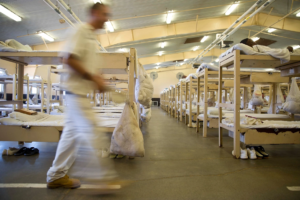
First, to provide independent oversight of the state Department of Corrections (DOC). After years of monitoring and documenting the conditions inside DOC, Appleseed began working on oversight legislation in 2023. We knew through this documentation and our relationships with incarcerated people and their families that few policies were more important to prioritize than oversight. Alabama’s prisons continue to be the deadliest in the country, with a death rate of almost 3 times the national average. There are high rates of overdose deaths due to the prevalence of drugs inside. Families are extorted for large amounts of money often just to keep their loved ones safe. Facilities remain overcrowded and understaffed. All of this and the state continues to pay exorbitantly– 5 billion dollars in the last 5 years– for a system that offers very little return on investment.

Second, to reform the state’s use of parole revocations, an issue we became aware of after representing clients at parole hearings and hearing more from individuals who had been paroled on life sentences. What we learned was that the parole board has no discretion when it comes to their decisions to revoke– or not revoke– individuals with certain underlying offenses. We also learned that when individuals are revoked due to new charges, they often linger in prison until they’re eventually able to come back up for parole even when those charges are dropped. As with most challenges Appleseed works to address, this seemingly in-the-weeds issue imposed real-life consequences on people who had been doing well on parole for years, who had worked to rebuild their lives after, in some cases, decades of incarceration.

Our report uncovered unnecessary revocations and called for reform.

Archie Hamlett Truck

Archie Hamlett’s story, of being revoked back to prison for a minor charge that was later dropped, inspired SB254.

What we experienced on both of these fronts ended up being policy making and advocacy at its best.

Prison Oversight 

Our prison oversight bill, SB 316, was filed by Sen. Larry Stutts, R-Tuscumbia after months of working through details of the legislation and what it should include. In its original form, the bill formalized a role within the Department of Examiners of Public Accounts created in 2024, increasing their responsibilities and providing them with the authority to independently monitor DOC. They would be given “golden key access” to all DOC facilities– to go anywhere, look everywhere, talk to anyone– and compile a list of information that would then be reported publicly, including recommendations for improvement. Along with this primary function, the bill also included provisions that would have removed all investigative authority from DOC, placing it with the State Bureau of Investigations, and provided each District Attorney’s office with a major prison in their circuit a special prosecutor for cases coming out of DOC. This seems like a lot, but we believed each piece would be helpful in creating more transparency and accountability within the department. 

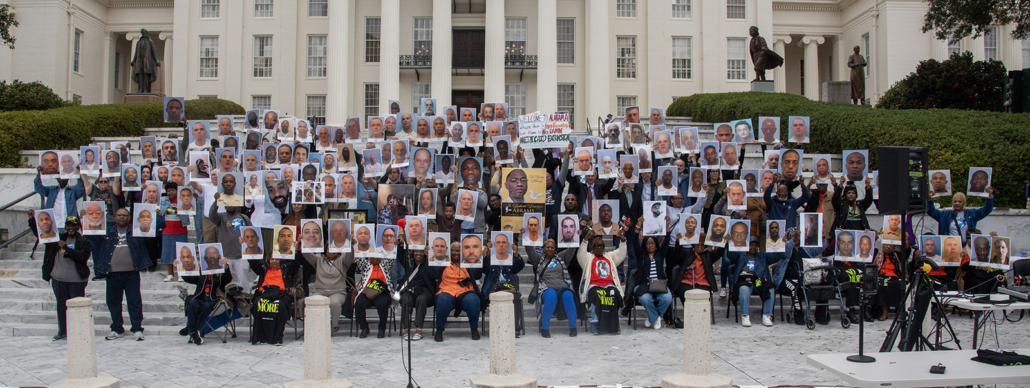
On Ash Wednesday, Alabamians gathered on the Capitol Steps to remember those who died in state prison custody. Photo by Bernard Troncale

After many conversations with legislators, legislative leadership and the state departments involved, and after a bit of a reality check on where we were in this very fast-paced session, we realized we needed to come together to chart a different path. In a couple meetings, we were able to hammer out an agreement that led to Alabama’s first ever state-led prison oversight pilot program. The program covers Tutwiler and two to three men’s prisons, and will be headed by the Department of Examiners of Public Accounts who will carry out most of the monitoring responsibilities laid out for them in SB 316. This pilot program means, rather than dealing with uncertainty of the bill’s passage and concerns about long implementation times, oversight can start now. Our hope, and Sen. Stutts’ stated goal is to come back next year to assess results of the program and move forward with legislation to expand based on its findings.

The day the pilot was announced, Sen. Stutts and Pro Tem Garlan Gudger stood on the Senate floor and shared the plans for oversight with the rest of the body; this alone was a welcome surprise after years of most DOC air time being consumed with how the state will pay for its construction of new prisons. But something else happened that was even more remarkable. Those two members of the state Senate stood and recognized, in front of their colleagues and the watching public, the contributions of the many parents and family members of incarcerated people who have been fighting for change and relief for years. To us, this only made sense. The families, and those currently and formerly incarcerated, are the ones who drove us to this point. In the words of Pro Tem Gudger, “we wouldn’t be where we are now without them.”

Appleseed’s Elaine Burdeshaw and advocates for prison oversight celebrate at the Alabama Statehouse.

Parole Revocation Reform 

Our parole revocation reform bill, SB 254, was filed by Sen. Sam Givhan, R-Huntsville and later filed in the House as HB 437 by Rep. Laura Hall, D-Huntsville. In the beginning, the bill provided the parole board front-end discretion when an individual on parole with certain underlying offenses is up for revocation, and broad back-end discretion when someone is revoked for a new charge and those charges are later dropped or reduced to something more minor. As the process normally goes, the bill went through some changes after conversations with various stakeholders who came to the table. 

Through conversations with the Bureau of Pardons and Paroles, Office of Prosecution Services, and District Attorneys Association, we were able to work out a plan to address what seemed to be the most important, pressing need we kept running into. How do we make sure one, the parole court (those who review revocation cases) can consider all the facts of a violation in their decision making, and two, that someone who’s been revoked for a new charge doesn’t linger in prison if those charges are dropped? Now that SB 254 has passed, pathways have been created to do just that. 

Support for Crime Survivors 

Appleseed recognizes the undeniable connection between those who are victims of crime and those who commit crime, and the need to provide support to both. In 2023, we released a report called Afterward, documenting what happens in Alabama after violence occurs. In a state that often touts prioritization of victims when it comes to public safety and criminal justice, we sought to answer questions like, when violence occurs, do survivors of that violence get what they need and want? Are we considering the voices of all victims, or only the ones that suit our desired outcomes? Of all we learned from that report, one issue kept rising to the top: victims and survivors are not getting the support they need in the wake of violence, specifically when it comes to financial compensation. 

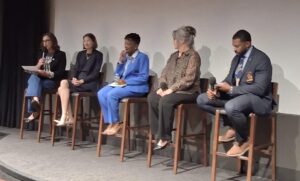
Appleseed’s Callie Greer speaks at the Alabama Survivors Speak rally in February.

It turns out Alabama has a state agency for that– the Alabama Crime Victims Compensation Commission (CVCC). It also turns out that until now, the window of time to apply for compensation after experiencing violent crime was one year. Only one year to learn of the Commission, figure out how to apply, and go through the process of applying to obtain the financial support available. If you’ve ever talked to someone who has experienced this kind of violence, you’ll know wading through all that comes with it to get to a place where someone can even think about anything other than what’s happened to them is a tough, if not impossible, task in that period of time.

Over the last year, Appleseed has been working with Crime Survivors Speak, a national organization focused on centering the voices of survivors and victims of crime. This session we were proud to partner with them on an event, Survivors Speak Alabama, that took place in Montgomery on the Capitol steps. Here, around 200 crime survivors gathered to ask the state for more support, including passage of HB 255 by Rep. Russell Bedsole, R-Alabaster, which expands the application window for victims compensation from one to two years. This bill, filed for the first time in 2025, was an effort primarily led by CVCC and Rep. Bedsole, though Appleseed and CSS were grateful for the opportunity to support passage of HB 255, which has now been signed into law. There is no doubt that the presence of crime survivors in Montgomery that day, calling for support and listening ears, helped prioritize this legislation among lawmakers. As CSS says, “When survivors speak, change happens.”

Appleseed is so grateful to the many who made these wins possible: our bill sponsors – Sen. Stutts, Sen. Givhan, and Rep. Hall–, Pro Tem Gudger and his office, Rep. Bedsole, the Bureau of Pardons and Paroles and Director Cam Ward, the Office of Prosecution Services and District Attorneys Association, the Department of Examiners of Public Accounts, the Department of Corrections, Crime Victims Compensation, Crime Survivors Speak, and finally, all of Appleseed’s clients, the family members we work with, and all those directly impacted by Alabama’s justice system who help Appleseed keep a pulse on current needs. And of course, all you everyday Alabamians out there whose support and engagement keeps us optimistic about what’s possible.

We weren’t sure what to expect this session. Of course we were hopeful. Turns out we had a right to be. See you next session!

In recognition of National Crime Victims Rights Week, Appleseed is sharing a series of blog posts on grief, trauma, loss, and healing by our Community Navigator, Callie Greer. Callie is a powerful voice for survivors in Alabama. Based on her own experiences losing two children, working through grief, finding forgiveness, and passing on her life’s lessons to others, Callie has been a catalyst for healing. Her wisdom needs to be captured and shared. 

Here is Chapter 2

By Callie Greer 

Hey y’all, I’m back. This blog will start my attempt to share some of the things I’ve learned and lived throughout my grieving process. If you’re here, I want to take advantage of your precious time and pull on you a little more because you have a dog in this fight. You want to be a part of what can happen when we have real conversations about serious, delicate, personal harm, because when “Survivors Speak, Change Happens,” as our partner, Crime Survivors Speak (CSS) often says. I’ll share more about them and our partnership as we move along.

Before I go deeper, I want to offer a trigger warning– some of what I share may directly affect people and trigger emotions, so proceed with caution. 

Grief. 

One definition I ran across is, “The natural emotional response resulting from a significant loss, especially the death of a loved one.” Another definition I ran across, and the one I like most, is, “Grief is a sign that you love deeply.”

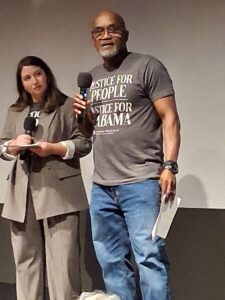
Callie Greer speaks at a rally at the Alabama Capitol organized by Crime Survivors Speak Alabama.

We can all agree on that, right? Can we also agree that we all grieve differently? I know this statement has been said millions of times, and that’s what is troubling me. It’s become just that– a statement. But grief, if not dealt with properly, will turn into something unrecognizable. Grief is painful, and when pain goes unattended, folks will start to act out because we need relief from our pain. I truly believe that much of the violence we are seeing– living– is “pain violence; not gang violence”. Until we deal with the root causes, we will see this continue to escalate. 

When folks live in a state of trauma, they become a traumatizer. They wreak havoc, wanting others to feel what they feel. Sort of like when we lose a loved one; we want the entire family of the perpetrator to hurt and feel what we’re feeling– it doesn’t matter if they were a part of the harm or not! We just want someone else to feel it. I believe that this is what we are witnessing right now. Unattended harm, pain, and trauma has turned into unrecognizable action that is almost uncontrollable. This is where I see justice needs to be heavily applied, not only in words but direct action, and that justice must be restorative. Because when you lose something or someone, there must be some form of restoration. Now that looks different for everyone. I’m not insinuating that Mercury or Venus, the two children I lost, can somehow be restored to us, but I do have a choice in how they are remembered, what legacy we continue about them. This is restoring for me, because my reality is, “They will never return to me, but thank God, one day I will go where they are.” 

The author, Callie Greer

Grief, trauma, violence, lack of humanity, lack of justice, devaluing, lack of resources– all of these are “roots” that have grown into one big, ugly tree with branches and limbs of violence. Branches that look like unforgiveness, harmful cycles, poverty, prison overcrowding, corruption, lies, deception, greed, eye for an eye mentalities, hatred, and many other outcomes that don’t serve or heal anyone. My point is this: we can keep feeding this tree, or we can start planting other seeds that are the opposite of this tree– seeds of forgiveness, truth-telling, equal justice, real, all-inclusive conversations, patience, longevity, support and attainable resources. 

Yeah, this is going to be a lot of heavy lifting. If you’re good where you are then I ask you to stay there, because it’s time for what I call “the chasers”. If you’re not chasing after the latter things I wrote, unfortunately, you’re part of the problem. If your mindset is, “We’re good over here”, then this is not for you. If you see the struggle and your response is, “They shouldn’t have been doing that”, and not, “Why are they doing that?”, then yes, by all means, stay over there. 

This crop calls for real ole school farmers, ones that used what they had to get what they needed. Folks who heard about so-and-so in the community who lost their job, so when they cooked they made enough and sent down a pot of peas and a pan of cornbread. The people whose relationship was good with folks in the community, so when they saw a neighbor’s child doing something they could go talk to them and it was appreciated because the neighbor knew there was real care there, and it showed way before they came by. I could go on, but some of y’all will start calling me old. I remember when all of this was true, and yes, those were my “good old days”. I shudder to think that my children and grandchildren will someday look back and say these were their “good old days”. 

So as I close this blog and ready myself for the next one, I hear Stevie Wonder in my head singing, “Love’s in need of Love today”. If love is applied in every action, we’ll always be victorious. For love covers a multitude of sins and can heal all hurts in time. Let’s sit with that.


Until the next blog,

Mama Callie

In recognition of National Crime Victims Rights Week, Appleseed is sharing a series of reflections on grief, trauma, loss, and healing by our Community Navigator, Callie Greer. Callie is a powerful voice for survivors in Alabama. Based on her own experiences losing two children, working through grief, finding forgiveness, and passing on her life’s lessons to others, Callie has been a catalyst for healing. Her wisdom needs to be captured and shared. 

By Callie Greer, Appleseed Community Navigator

My name is Callie Greer. I’m the Community Navigator-Organizer at Alabama Appleseed Center for Law and Justice. In this role, I collaborate with several other organizations on issues affecting people here in Alabama, as well as in many other cities and states, even in other countries. I mostly speak from lived experiences, and I draw from others’ similar experiences. Through those conversations, we often make connections and create relationships where trust, beliefs, barriers, respect, value, and humanity show up, and misunderstandings are sometimes cleared up. This is my attempt to share with you, in this space and time, about the topic of “Crime Victims and Survivors,” as this month is the specific time and space when we give this issue a more focused platform. 

The author, Callie Greer

When I speak as a “survivor,” it’s usually about Mercury Lorell Colley, our son, who died from gun violence in June of 1999 on Father’s Day. Father’s Day is not always celebrated on the same day every year, but for me, ever since that Father’s Day regardless of the date it’s a trigger. I remember. It’s not as traumatizing as it was in the first decade, but I still have my moments. I’m sharing this again today for a different reason. I want to be clear that the space and time that has been set aside for “Crime Victims and Survivors” is for everyone who has experienced violence in their lives. I don’t hesitate to say that I believe that is true for everyone on this planet. Though our experiences differ and the trauma that is lived can be much more severe for some more than others, I think we can all agree that it’s not an experience we want to continue having in our lives. 

For some of us, justice, forgiveness, and the healing process come and we move on. For some of us, the offense is deeper and it’s a longer process. And then for some of us–like myself– the different levels of this process are visited and realized, but because of the loss, we’ll never get past it; it is permanent. Yes, we’ve forgiven. Yes, we’ve received a measure of justice we can live with. Yes, we can and are speaking our truth. But what I truly lost was my son! He will never be on this side with us again. That’s triggering for me and others who have and will live this violence. 

We’ll talk more about triggers, trauma, healing, forgiveness, truth, justice, and healing in my next several blogs. Until then, I want you to sit with a couple of things. What is the most violent experience you have lived through? Have you truly and fully addressed your needs for recovery from it? Or have you just “taken one for the team” and moved on? Are you willing to be vulnerable and share your truth? There is a sacred space with other people who are seeking answers to start, or continue, their healing process. If you are looking for that space, or if you have created that space and want to share it, contact me; I’m not hard to find. 

Until the next blog,

Mama Callie

By Eddie Burkhalter, Appleseed Researcher

James Jones was hurting long before YesCare, the company contracted to provide medical care for those in Alabama prisons, diagnosed him with prostate cancer. 

After Appleseed succeeded in getting Mr. Jones, now 78, released from prison in December 2024 and his treatments began outside of prison fences, his life and health took a turn for the better. He recently moved into his very own apartment, in a HUD-subsidized senior housing complex, and now Medicare covers his healthcare expenses.

James Jones and Appleseed’s reentry team

But there are hundreds of people like him, older and sick and of no danger to the public, who remain imprisoned and unable to access quality healthcare. And their numbers increase every year. Their continued incarceration, at a time when privately-contracted prison healthcare is a struggling industry, creates a costly and uncertain situation, especially for poor states like Alabama.

What our team has found, over more than five years of working with formerly incarcerated older people, is that there are available resources in Alabama communities, especially Jefferson County, to care for many these individuals – people who pose no risk to the public, yet who are costing the state millions while receiving substandard care in prison. At Appleseed, we are creating a cost-effective and compassionate model for relieving some of the pressure on the overwhelmed prison system and its expensive medical provider. 

Appleseed Researcher Eddie Burkhalter and James Jones visit during a picnic at Railroad Park.

Given the fragile state of correctional health care and the continued danger and crowding in Alabama prisons, we believe it’s past time to scale this model. Below we offer lessons from our work and solutions to a brewing crisis that impacts more than 21,000 people in Alabama prisons.

Bankruptcy, missed payments, and missed pay checks

From the beginning of YesCare’s relationship with the State of Alabama, there were concerns about costs and viability. YesCare’s more than $1 billion contract with the Alabama Department of Corrections (ADOC) was approved in 2023. The company was born from the demise of Texas-based Corizon Health Inc., which had provided the Alabama Department of Corrections (ADOC) with health care services from 2012 to 2017. Numerous Alabama advocacy groups and incarcerated people sued Corizon over allegations of medical neglect, and facing a slew of lawsuits nationwide alleging the company failed to pay hospitals and insurance providers, Corizon transferred massive amounts of debt to a newly formed Tehum Care Services, which then declared bankruptcy. Critics said the move left Corizon’s creditors with no recourse. Corizon executives then created YesCare and landed the massive ADOC  contract. 

“Tehum, the bankrupt new company created in the maneuver, owes more than $82 million to over 1,000 creditors, including former patients who were injured or neglected, former employees who were hurt on the job, hospitals, doctors’ offices, cities and states,” The Marshall Project reported in 2023. “Almost all of Corizon’s assets — worth more than $170 million, according to court papers — went to YesCare, which continues to provide healthcare at prisons and jails.”

Then last month, YesCare missed a $2 million settlement payment required under the bankruptcy settlement. As reported March 5 in the Wall Street Journal, Prison healthcare contractor YesCare didn’t make required payments under a $75 million settlement to resolve the bankruptcy of its former affiliate Tehum Care Services, opening the door again to medical-injury and creditor lawsuits.” Appleseed’s questions to ADOC regarding the YesCare contract and issues with the company’s solvency went unanswered.

YesCare failed to pay its Alabama prison workers on the scheduled payday Friday, April 10, according to statements from several  of those workers to Appleseed on Monday, April 13. Appleseed also heard from advocates who monitor Alabama’s prisons that YesCare staff went unpaid Friday and many healthcare workers for the company walked off the job at Kilby Correctional Facility on Monday morning.  

“If you are receiving this email, it is because we are aware that some payroll transactions have still not been fully processed as of this afternoon,” reads an email from YesCare Chief Human Resources Officer Dennis Wade to staff on Friday, which a health care worker for the company sent to Appleseed. “We are working with our ownership and our bank to address the situation and hope to have it resolved on Monday. We know this is a hardship and apologize for the inconvenience.” 

We learned Tuesday, April 14, that YesCare staff were finally paid, though several days late. 

Workers have communicated their frustration in multiple ways. “We most definitely didn’t receive pay on Friday and it’s almost the close of business and I do not see any pending transactions,” one YesCare worker told Appleseed. “YesCare has failed to pay in a timely manner for the last 2 pay periods…but it has never been this late.” 

Against this backdrop, the expensive medical needs of incarcerated Alabamians are only increasing with the state keeping so many older people locked up long after they age out of criminality.  

The Senseless Costs of an Aging Prison Population 

The percentage of incarcerated people who are older has continued to increase in Alabama prisons for decades. As of January 2026 the percentage of people under ADOC’s jurisdiction (This includes those imprisoned and those serving sentences in community corrections settings. ADOC public reporting doesn’t break down the numbers to show just those who are serving in prison.) who were 51 years old or older sat at 28.5 percent, or 8,086 people. That’s higher than the national average of 24 percent aged 51 or older, according to research published in the National Library of Medicine. In 2000, those older people made up just 7 percent of Alabama’s prison population. 

As Alabama prisons continue to house a higher percentage of older people, the rising cost of providing physical and mental health places a greater and greater burden on the state’s General Fund. Studies show that the cost of caring for those older incarcerated people is between three and five times the cost of keeping younger people incarcerated. 

In 2000, Alabama spent an average of $24.47 to incarcerate someone for a day, or about $9,300 per year. That number stayed relatively the same between 1995 and 2003, but the dramatic rise of

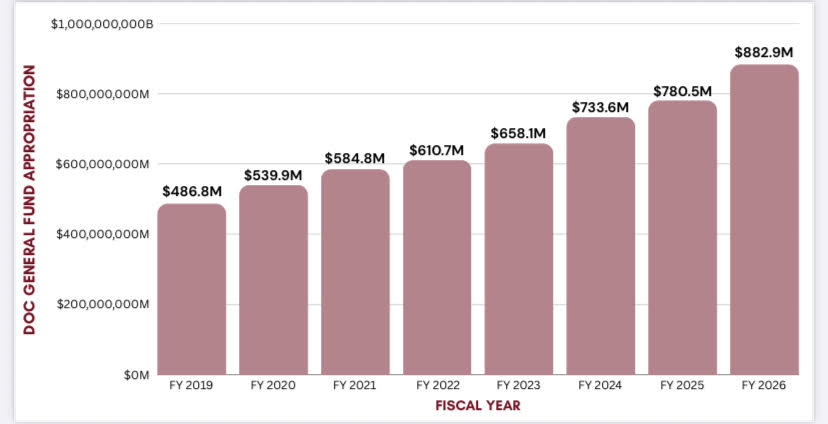
older individuals in prison sent costs soaring. According to ADOC Commissioner John Hamm, speaking in a 2024 budget hearing, he predicted the daily cost for fiscal year 2024 to hit $87 a day, a 255 percent increase from 2000. (ADOC’s annual reports used to include data on the cost of incarcerating people, but the department stopped publishing that data for the 2022 annual report.) But we know it continues to escalate as the FY27 General Fund budget allocation for ADOC was $868 million.

An aging prison population requires longer, more attentive care. As such, ADOC’s healthcare system will continue to be strained, requiring excessive reliance on off-site infirmary admissions. Along with the aging population, which brings its own increased medical costs, there are others who have serious health conditions or terminal illnesses. Medical costs to address the health care needs for people incarcerated continue to increase, going from $120 million in 2012 to $235 million in 2023.

A group of Appleseed’s clients, all of whom served decades in life sentences without parole in Alabama prisons, enjoy a day in a Birmingham, Ala., park following a birthday celebration for John Coleman. From left are Larry Garrett, Ronald McKeithen, Robert Cheeks, Lee Davis, John Coleman, and Willie Ingram. Photo by Bernard Troncale

It becomes even harder to justify spending hundreds of millions to care for aging men and women in prisons when one recognizes the long-settled fact that as people age they commit less crime. Hundreds of incarcerated Alabamians eke out an existence behind bars barely able to walk, much less to commit crimes.  

Those aged 60 and older account for only three to four percent of violent crime nationally, and older people return to prison at lower rates as well. 

“Older offenders were substantially less likely than younger offenders to recidivate following release. Over an eight-year follow-up period, 13.4 percent of offenders age 65 or older at the time of release were rearrested compared to 67.6 percent of offenders younger than age 21 at the time of release,” according to a U.S. Sentencing Commission report. “The pattern was consistent across age groupings, and recidivism measured by rearrest, reconviction, and reincarceration declined as age increased.”

In short, people over 60 were about five times less likely to be rearrested than people under 21. 

Our roadmap for care after long-term incarceration and delayed diagnoses

James Jones was 77 when Appleseed won his freedom from a life without parole sentence, and on December 18, 2024, he walked out of the St. Clair Correctional Facility. Even prison staff celebrated his release as the jovial gentleman known as “Honkytonk” ambled out of the long-troubled prison. Appleseed’s reentry team was already well underway on the plan to help him get the medical care he badly needed. 

One of the first people in the state to be sentenced to a mandatory sentence of life without parole under the Habitual Felony Offender Act in 1981, Mr. Jones spent 43 years in prison following a robbery at a North Birmingham shoe store.

Mr. Jones was diagnosed with prostate cancer shortly before his release from prison, but because he wasn’t receiving care earlier on for the pain he was experiencing, his diagnosis was likely late in coming, explained Kathleen Henderson, Appleseed’s re-entry case manager. “If they had given him symptom care they could have picked up on it,” Ms. Henderson said, noting that since his release and because of his cancer treatments, he’s improving. “Now Mr. Jones is living comfortably. He’s doing pretty well.” 

Our client John Coleman, who Appleseed freed from prison in 2023 after he served 34 years of a life sentence, was wheelchair-bound while in prison, but after his release, once Appleseed helped him access physical therapy and medical treatments for the pain in his back and legs, he began walking with a walker. 

Clients John Coleman and Robert Cheeks, both who spent most of their adult lives incarcerated.

“He was able to get along fine (with the proper treatment) but while he was in, he had none of that, ” Ms. Henderson said, noting that even among the Appleseed clients who were being treated for medical conditions while incarcerated, the medication they were provided was “one size fits all” and not tailored to their individual needs. There is no rehabilitation care in Alabama prisons either, she said. 

Another freed Appleseed client had HIV while incarcerated but records don’t show he was ever treated while in prison. He’s receiving that treatment now, and it was only recently discovered that he also has stomach cancer. “How long had that been going on, for it to get to this point?” Ms. Henderson said of the cancer diagnosis. “Their problems are not met in prison like they should be,” Ms. Henderson said. 

John Coleman was sentenced to die in prison and is released after serving 34 years. He recently celebrated his 92nd birthday.

Ingrid Patrick, Appleseed’s social worker who, along with Ms. Henderson, ensures Appleseed’s re-entry clients thrive outside of prison, said she begins the process with new clients by securing housing, either at a transition home like Birmingham’s Shepherd’s Fold or with the client’s family, and then begins the work of getting them medical care and all the documents they need to restart their lives.

Our team has learned that this process can take months, and many clients need extra resources to survive as they wait out the federal bureaucratic delays. “You would be surprised at how many of our guys didn’t have a social security card or birth certificate,” Mrs. Patrick said. But once the necessary documents are secured and federal services start flowing, people can thrive. 

Appleseed’s team stresses the importance of blood work and diabetes testing once people are released, because too often clients had no idea they were diabetic while incarcerated. “We had one instance where he knew he was diabetic, but the line (in prison) for getting his medication was just so long, and he has extreme back pain so he can’t stand in that long line, and so he just stopped getting his medication,” Ms. Patrick said. “We got him released and in to see his doctor, and he is doing so much better.” 

“A lot of times they aren’t getting the proper care, or the full care, they should be receiving,” Ms. Patrick said. “A lot of the healthcare they get out here has prolonged their lifespan for sure.” 

Currently, 16 Appleseed reentry clients are over age 65. Thirteen of these individuals have chronic health problems, such as prostate cancer, kidney disease, high blood pressure or pain related to aging and require assistance from our team for doctors appointments, prescription access and more. 

Appleseed’s capable reentry team – a total of three people – have connected dozens of clients to community resources. The key is a case manager, social worker, and peer mentor, Ronald McKeithen, who served 37 years himself, and is now 64 years old, so he understands what these individuals need on many levels. What our clients need most is help with things like getting new identification cards and navigating Social Security, Medicare and Medicaid benefits: tasks that anyone trained in case management can easily help with. “There are people coming out who have health problems who are older, who could live on their own. It absolutely can be done. There are so so so many folks out there that work with health care,” Ms. Henderson said. “There are so many health resources out here.” 

On a recent visit to the Birmingham Botanical Gardens for the garden’s cherry blossom festival, three of Appleseed’s clients and Ms. Patrick spent time together. Robert Cheeks, now 83, was pushed in his wheelchair and talked about his memories, but the memories he shared weren’t of life in the free world. He’d served 37 years of a life without the possibility of parole sentence before Appleseed freed him in 2022. 

Robert Cheeks shortly after his release from prison in 2022. He remains a vibrant member of our community. Photo by Bernard Troncale

“He’d been in prison for 30-plus years. Those are the memories he has,” Ms. Patrick  said. “So why should he not be allowed to come out and make new memories for himself?”

There are laws to help fix this, but obstacles remain

States around the country are grappling with this issue. Various tools and laws are available, often known as compassionate release. Alabama has both a medical furlough and a medical parole law in its state statutes. 

The medical furlough statute provides eligibility to incarcerated individuals age 55 or older “who suffer[s] from a chronic life-threatening infirmity, life-threatening illness, or chronic debilitating disease related to aging, who poses a low risk to the community, and who does not constitute a danger to himself or herself or society.” People who are permanently incapacitated or terminally ill are also eligible. Terminally ill is described as having “an incurable condition caused by illness or disease which would, with reasonable medical judgment, produce death within 12 months.”

Alabama prison death data strongly suggest that the furlough statute is being underutilized. Currently, 16 people are in the medical furlough program, which is a little higher than the typical 13 to 15, posted in ADOC statistical reports over the last three years. But Alabama has one of the highest prison mortality rates in the United States, thus the vast majority of people with terminal illnesses or chronic life-threatening infirmities are dying in prison, rather than be released by furlough. A more robust furlough program or additional compassionate release mechanisms would allow more people to die with dignity, surrounded by family rather than in a cold prison infirmary. Plus, it would relieve some of the pressure on prison healthcare providers and reduce costs for the state.

Of the record high 327 deaths inside Alabama prisons in 2023,  ADOC classified the cause of death as natural for 153 people, which accounts for 46.7 percent of them. Appleseed is working to learn more about in custody deaths from 2014-2024, and 2023 is the first year for which we have a complete picture of causes and manner of deaths. 

Already our findings strongly suggest that people are dying of treatable conditions, calling into question the quality of prison health care. One in six “natural” deaths in Alabama prisons in 2023 occurred among incarcerated people aged 50 or younger. In more than one-fifth of those deaths (22 percent), sepsis, a life-threatening but often treatable condition, was listed as a cause or contributing factor. By comparison, sepsis was involved in only about one in 25 natural deaths across all ages that year. 

The average age for natural deaths inside Alabama prisons that year was 59, and in facilities like Ventress and Bibb, the average age of natural death drops into the 40s, ADOC’s own reporting to the federal government collected and reviewed by Appleseed shows. 

Among those younger natural deaths at Ventress prison was Ryan S. Allen, who died at the prison on April 3, 2023 at the age of 27 and whose cause of death listed in ADOC’s data submitted to the federal government states “Cause of death: staphylococcus aureus sepsis.”  Staph infections are treatable, and sepsis can mean delayed or failed intervention. 

James Lynn Johnson, 36, died at Elmore Correctional Facility on July 11, 2023, from “complications of diabetes”, a disease that required constant monitoring and care, and 30-year-old Chad Markum died from “Sepsis due to…pneumonia” on April 1, 2023, at Ventress Correctional Facility

Smoothing the transition with federal resources

A major obstacle to relieving some of this pressure by moving older and infirm people into the community for care is the inability to start or restart a person’s Medicare or Medicaid benefits until after they are released from prison. ADOC and YesCare are keenly aware of this issue.

In August of 2024, Ms. Henderson at Appleseed was contacted by a YesCare worker regarding a case involving a man named Jamaal Mabry. Mr. Mabry was stabbed in the back while serving his sentence, leaving him quadriplegic with only minimal use of his left arm. By the time the YesCare worker contacted Ms. Henderson she had applied 3 times for Medicaid on behalf of Mr. Mabry and was denied each time due to his incarcerated status. However, because he lacked Medicaid coverage, which he would be eligible for due to his disability, the YesCare worker was unable to place him in a nursing home or care facility. For months, Appleseed attempted to find a placement and figure out a way around these obstacles.

Eventually, Appleseed attorney Scott Fuqua was able to secure Mr. Mabry a placement at a nursing home only after taking extraordinary measures to ensure the cost of caring for his first month’s stay would be paid for. Mr. Mabry was released from prison on April 4, 2026. 

“They wouldn’t take him without assurance that that was going to be paid for, one way or the other,” Ms. Henderson said. Because she filed for his benefits as soon as he was released, once the application is processed those benefits will start retroactively and cover costs incurred from the day the application was sent, but providing that payment guarantee to places like nursing homes is a massive obstacle to helping incarcerated people reenter their communities. 

“Just trying to get someone into a nursing home is hard enough, but trying to get them in while they’re incarcerated is almost impossible,” Ms. Henderson said. 

Despite this difficult reality, there exists a solution that other states are using. Section 1115 Medicaid demonstration waivers can be used in many different ways, including for those who are incarcerated specifically by establishing or reestablishing Medicaid coverage prior to someone’s release from incarceration in order to streamline the reentry process.

The Centers for Medicare and Medicaid Services (CMS) has begun emphasizing the use of the 1115 waiver in reentry, stating, “Section 5032(b) of the SUPPORT Act makes clear that the purpose of this demonstration opportunity is ‘to improve care transitions for certain individuals who are soon-to-be former inmates of a public institution and who are otherwise eligible to receive medical assistance under title XIX.’” 

To date, 20 states have been approved to use the 1115 waiver for reentry and five other states have applied. Of the 5 southern states that have applied– Arkansas, Louisiana, West Virginia, North Carolina, and Kentucky– Kentucky, West Virginia, and North Carolina approved so far. The program allows incarcerated people to enroll in Medicaid 90 days before their release. In addition to Medicaid enrollment and reinstatement, the waiver can provide increased access to case management prior to release, as it does in Kentucky, for example. This broadens its usefulness, as use of the waiver can serve even those aging who aren’t headed to a nursing home post release, who simply need better access to resources and care prior to release so they can be more on their way to getting jobs and moving forward. In order to make this happen, Alabama’s State Medicaid Director would need to write and submit a proposal for an 1115 waiver program, outlining what its goals would be. If approved, State Medicaid and the Department of Corrections would need to work closely to ensure the program is being utilized in an effective and efficient way. Other state entities that might benefit from the program include the Department of Mental Health, the Nursing Home Association, Senior Services, and the Department of Rehabilitation Services.

On the other end of the spectrum, several of Appleseed’s older clients are employed well into their 60s and after decades in prison. Milton Hambright, 63, landed a job as a forklift operator at a Cullman manufacturing company less than two weeks after being released on parole. He has a side job as the handyman at the Cullman Reentry Addiction Assistance, his transitional housing placement. 

Larry Garrett

Larry Garrett, 71, is employed by Western Express driving tractor trailers and is constantly on the road. Both of these men spent more than three decades behind bars, yet somehow maintained their health and are determined to contribute to the economy and be self-sufficient, despite the state taking so many years of their lives. 

Their resilience and vigor prove what’s possible when sensible resentencing is combined with holistic reentry support. 

Policy Director Elaine Burdeshaw and Executive Director Carla Crowder contributed to this report.

Years of relentless advocacy by families of incarcerated Alabamians has resulted in a new prison oversight pilot program to create transparency and accountability at the Alabama Department of Corrections.

Families of incarcerated Alabamians celebrate their role in securing an agreement for enhanced prison oversight in the Alabama Senate. From left, Sylvia Wright, Cindy Hamilton, Beth Smith, Tim Mathis, and Shantelle Quinley

Sen. Larry Stutts, R-Tuscumbia, who sponsored SB 316, the prison oversight bill, announced this development Wednesday on the Senate Floor. Stutts and Senate Pro Tem, Garlan Gudger, R-Cullman, acknowledged the contributions of a small group of parents, who were present in the Gallery. These families have faithfully pursued prison reform and safer conditions across ADOC by advocating at the State House, collecting photos and videos of horrific violence, and sharing their findings through mass emails. 

“We’re exponentially further along because of you,” Sen. Gudger told the families.

The agreement hammered out this week draws on elements of SB 316 by creating a process where certain employees at the Office of the Examiners of Public Accounts will visit selected prisons for inspections at any time (“golden key access”), collect and report data that’s made available to the public, and provide recommendations for improvement. 

“I feel like we’ve arrived at a really good position that is going to make a difference with the Department of Corrections in the coming years,” Sen. Stutts said. 

Appleseed’s Elaine Burdeshaw and advocates for prison oversight celebrate at the Alabama Statehouse.

Appleseed initially developed a prison oversight bill in 2024, which helped lead to the passage of SB 322, creating ADOC’s constituent services unit. Appleseed revisited the oversight bill this year and in collaboration with impacted families has been sharing data and stories of continued violence and dysfunction with the ADOC. “We are just moms and dads, regular people who experienced the reality of this system personally and could not unhear or unsee what’s happening inside,” said Cindy Hamilton, of Tuscaloosa, one of the group’s leaders.

The Oscar-nominated documentary, The Alabama Solution, illuminated the depth of the crisis for new audiences, spurring additional advocacy through the NoMore campaign. Additional support for oversight was provided by the national organization FAMM.

Supporters of prison oversight, including Appleseed’s Policy and Advocacy Director Elaine Burdeshaw, gathered at the Alabama Statehouse for a hearing.

“The newly announced pilot program to create more outside oversight of the Department of Corrections is positive movement that we are proud of. We believe this program will help bring some sunshine to a department that has long been shrouded in darkness, creating more transparency for the legislature, public, and families,” said Elaine Burdeshaw, Appleseed’s Policy and Advocacy Director. “We are grateful to Sen. Stutts, Pro Tem Gudger, and all the state departments who came to the table to make this possible. Most of all, we are grateful to the families and currently and formerly incarcerated people who continue to inform both our work on this issue and the solutions that will address it. As Pro Tem Gudger said, we wouldn’t be where we are now without them.”

More oversight, transparency, and accountability could be coming to the Alabama Department of Corrections under SB 316, filed last week by Sen. Larry Stutts, R-Tuscumbia.

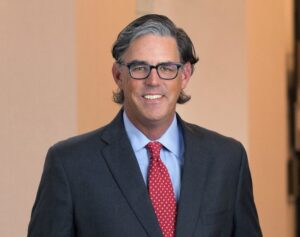
Sen. Larry Stutts, R-Tuscumbia

This bill is the result of years of investigations, litigation, and escalating prison expenditures that have failed to alleviate extreme violence, dysfunction, and the highest prison death rates in the country.  It comes as families of incarcerated Alabamians have increased their advocacy and outreach to elected leaders.

Core components of SB 316:

  • Increases the responsibilities and authority of the position within the Department of Examiners of Public Accounts that was created by Sen. Chambliss’s SB322 in 2024 to serve the Joint Prison Oversight Committee– naming it the Prison Oversight Coordinator.
    • Allows the Prison Oversight Coordinator to visit any DOC facility for inspections at any time (“golden key access”), collect and report data that’s made available to the public, and provide recommendations for improvement, and gives them authority to investigate complaints from incarcerated people, their families, and correctional staff. 
  • Creates a Corrections Oversight Board.
    • Made of lawmakers, medical and mental health professionals, formerly incarcerated people, family members of incarcerated people, and more. Tasked with holding at least one public hearing a year and reviewing the data, inspections and recommendations provided by the Examiners employee. 
  • Removes investigation authority from the Department of Correction’s Law Enforcement Services Division and places it with the State Bureau of Investigations.
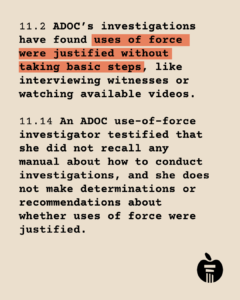
    • There have been documented issues with investigations within DOC facilities. Placing that authority with the State Bureau of Investigations provides a more transparent and independent process. 
  • Provides one special prosecutor to each DA’s office with a major DOC facility in their district.

All prison-related criminal cases are referred to the local DA’s office, but these offices are overwhelmed by the large numbers of cases coming in and unable to prioritize them. Providing a special prosecutor to each office with a major facility in its district will help provide the needed resources and capacity to ensure crimes happening inside DOC facilities, by officers and incarcerated people alike, are handled appropriately. 

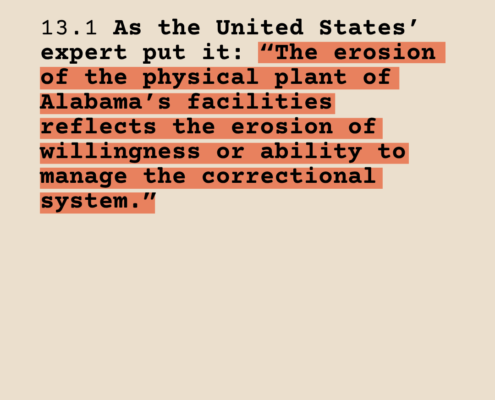
This legislation comes seven years in a crisis first identified by the U.S. Department of Justice.

In 2019, DOJ declared Alabama’s prisons for men unconstitutional. More than 1,500 Alabamians in prison have died since then. Meanwhile, the state has spent more than $5 billion on the prison system in the last five years – more than we’ve spent on public health, mental health, and child services combined. These costly prisons remain the deadliest in America.

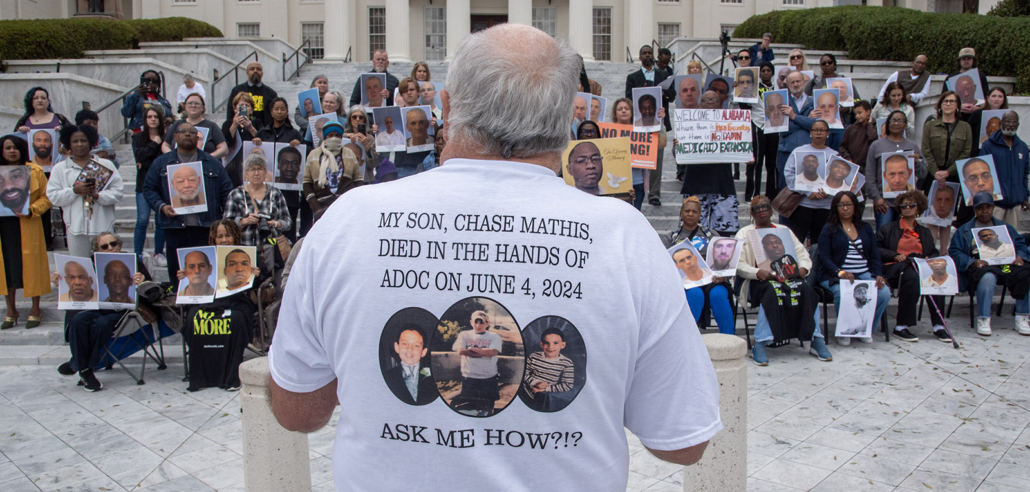
On Ash Wednesday, Alabamians gathered on the Capitol Steps to remember those who died in state prison custody. Photo by Bernard Troncale

  • Alabama’s prison mortality rate has been far higher than any other state in the nation for at least 2 years in a row. In 2023 and 2024, Alabama’s death rate was more than 100 deaths per 100,000 people. No other state comes close. 

The crisis at DOC is acute, and past efforts to improve prison culture and conditions have yet to produce noticeable positive outcomes. 

  • Increased officer pay has brought in new officers– but significant numbers of current officers have been fired due to misconduct or criminal charges. Many more have serious documented allegations of misconduct, but the culture of ADOC and bureaucratic impediments restrict the ability for them to be disciplined or removed. The staff vacancy rate remains above 50%. 
  • Efforts to increase programming and positive culture, like the creation of educational incentive time credits– an effort led by Sen. Chambliss, the Chair of the Joint Prison Oversight Committee– have not been implemented because of the dysfunction. 
  • Even the costly construction of new prisons, despite the benefits that do exist, will not solve the underlying culture.

While many are aware of severe problems that exist at ADOC, increased transparency is necessary to weed out the roots of the dysfunction – where exactly are the problems coming from and how have they persisted, and even increased, despite the State being on notice from federal authorities for more than 6 years. With an ongoing crisis in Alabama’s prisons, there is no indication that change can or will happen on its own, regardless of leadership’s intentions.

While passing this form of oversight legislation now would be more responsive in nature, it would eventually act as a prevention mechanism— to avoid poor conditions and lawsuits, and keep us from ever getting to this point in the first place. Read more from bill sponsor Sen. Larry Stutts here.

Appleseed encourages Alabamians to reach out to their state legislators and express support for SB 316. Tell them:

As your constituent, I hope you will consider this issue– what’s at stake for incarcerated people and their families, correctional officers, our state budgets, and public safety– and encourage you to support Sen. Stutts’ legislation when you have the opportunity.

Team Appleseed and the incredible Callie Greer were honored this week in Montgomery by Crime Survivors Speak, a network of crime survivors who create healing communities, develop leaders, and drive policies that make everyone safer.  The group held a 200-person strong rally and march in Montgomery on Wednesday.

Appleseed’s Callie Greer, honored with a Lifetime Achievement Award by Crime Survivors Speak

Fore more than a decade, Callie has led community healing events, helped advocate for improved policies around crime victim compensation, and used her voice and influence across Selma and Montgomery to give a voice to survivors of violence.

Callie as she receives her lifetime achievement award. Photo by James Gilbert

Crime Survivors Speak announced the following:
The Crime Survivors Speak Lifetime Achievement Award honors an extraordinary individual whose lifelong dedication has transformed personal experience into lasting change for survivors and families impacted by violence. This award recognizes decades of advocacy, leadership, and unwavering commitment to advancing healing, expanding access to victim compensation, and strengthening communities. Through courage, resilience, and service, this honoree has helped shape a more just and survivor-centered vision of safety for generations to come. We’re honored to present the Crime Survivors Speak Lifetime Achievement Award to Callie Greer.
The Crime Survivors Speak Community Partnership Recognition Award is presented to Alabama Appleseed in appreciation of your partnership and leadership in organizing Survivors Speak Alabama and in supporting families impacted by violence.
The Crime Survivors Speak Community Partnership Recognition Award is presented to MAAVIS in appreciation of your partnership and leadership in organizing Survivors Speak Alabama and in supporting families impacted by violence.
Callie Greer, Appleseed’s Community Navigator for the last three years, is a veteran community organizer and advocate for better, safer, healthier communities in Alabama. After losing her son, Mercury Colley, to violence and her daughter, Venus Colley, to cancer, Callie has used her powerful story and voice to inspire others. She reminds us all, “Don’t waste your pain, turn it into something terribly beautiful.”
Congratulations, Callie!

By Scott Fuqua, Appleseed Legal Director

A vigil was held on February 18th at the State Capitol to remember the people who have died in our prisons this decade. Most made mistakes that led to their incarceration. Most were suffering from addiction and were sentenced to a prison where hopelessness is endemic and drugs are more readily available than they are on the street. None deserved to be sent to a place where the death rate is nearly double that of the next highest prison system in our country with a suicide rate five times higher than it is for Alabamians as a whole.

Three of our clients have died waiting for their second chance at freedom. Their names were Tommy Tunstall, Dock Boyd and Wesley Warren. In total, they had served over 100 years for crimes where they didn’t cause physical harm to another person. No one in Alabama was safer because we incarcerated them for decades beyond when it was clear they had learned from their mistakes with their advanced age and poor health rendering them only a costly burden on the state’s taxpayers. 

Appleseed Legal Director Scott Fuqua and advocates from across the state attended a vigil honoring those who died in state prison custody. Scott represented three of the men who died. Photo by Bernard Troncale

In 2019, the US Department of Justice investigated the state of our prisons and filed a lawsuit declaring, “Prisoners at Alabama’s Prisons for Men have continued daily to endure a substantial risk of serious harm, including death…the unconstitutional conditions are pervasive and systemic.” In the seven years since the first report detailing the deadly conditions was released, the crisis has continued to deepen. All of the over 1500 people whose pictures were laid out in front of the Capitol steps last week have died since the results of that investigation were first made public.

Despite this crisis, the majority of the 21,000 people in our prisons will survive their ordeal. Many will leave prison suffering from more acute drug addiction than they had prior to their arrest and dealing with varying degrees of post traumatic stress from the conditions they endured. 

However, with more than 6,500 people serving sentences of life, life without parole, or virtual life in Alabama’s prisons, the burden of people growing old, aging about of criminality, yet requiring expensive health care and ultimately dying behind bars will only continue to grow in the coming years. The taxpayers of Alabama are getting a poor return on their investment for public safety.

There is no reason Alabama should be uniquely incapable of administering criminal justice in a manner that protects the constitutional rights of the people living in our prisons. There are many good people working within our prison system, but like the people they are tasked with guarding, they are stuck in a broken system desperately in need of systemic reform. Every prison system has flaws, but we should not settle for being the worst by many metrics at something of such great importance. 

The good news is that many things can be done to address this crisis. If you haven’t seen it, watch the Alabama Solution documentary which has been nominated for the Oscar for best documentary. Ask others if they are aware of this crisis. Call or write to your representatives in the Alabama legislature to let them know this situation isn’t acceptable and urge them to use their power as your elected representative to fight to solve this crisis by passing SB316, which will create a system of oversight which will shed light on the various aspects of this crisis.