
Chapter 4: The Process of Healing
In recognition of National Crime Victims Rights Week, Appleseed is sharing a series of blog posts on grief, trauma, loss, and healing by our Community Navigator, Callie Greer. Callie is a powerful voice for survivors in Alabama. Based on her own experiences losing two children, working through grief, finding forgiveness, and passing on her life’s lessons to others, Callie has been a catalyst for healing. Her wisdom needs to be captured and shared.
By Callie Greer, Appleseed Community Navigator
Greetings, pray all is well with you and yours. I’m here again to continue the conversation about my lived experiences, specifically with violent crime. My last three blogs were a discussion of those experiences because of the month we’re in, which has been proclaimed Crime Victims/Survivors Month. I previously offered a trigger warning; that offer still stands today. This will be my last blog for this occasion, so I’ll attempt to bring it all together.
These blogs are for everyone who has experienced violence. There are stages that we experience after the violence we have lived. There is loss; the degree, depth, and harm are different for all of us, but we agree that it’s there. Whether we have lost loved one(s), experienced domestic abuse, sexual abuse, suicide, bullying, child abuse, gun violence, or even robbery. There are also stages of restoration we need to experience, just not in the same ways. When we don’t tend to the harm we add layers, and when we get to the breaking point we look back at those original harms and sometimes think, “if we had dealt with it, maybe this wouldn’t have happened.” For example, when terrible, violent crimes happen, we often hear about the life of the perpetrator. How the life they experienced before caused them to do the things they have done (unattended to harm), and we might be asked to consider those facts when seeking justice.
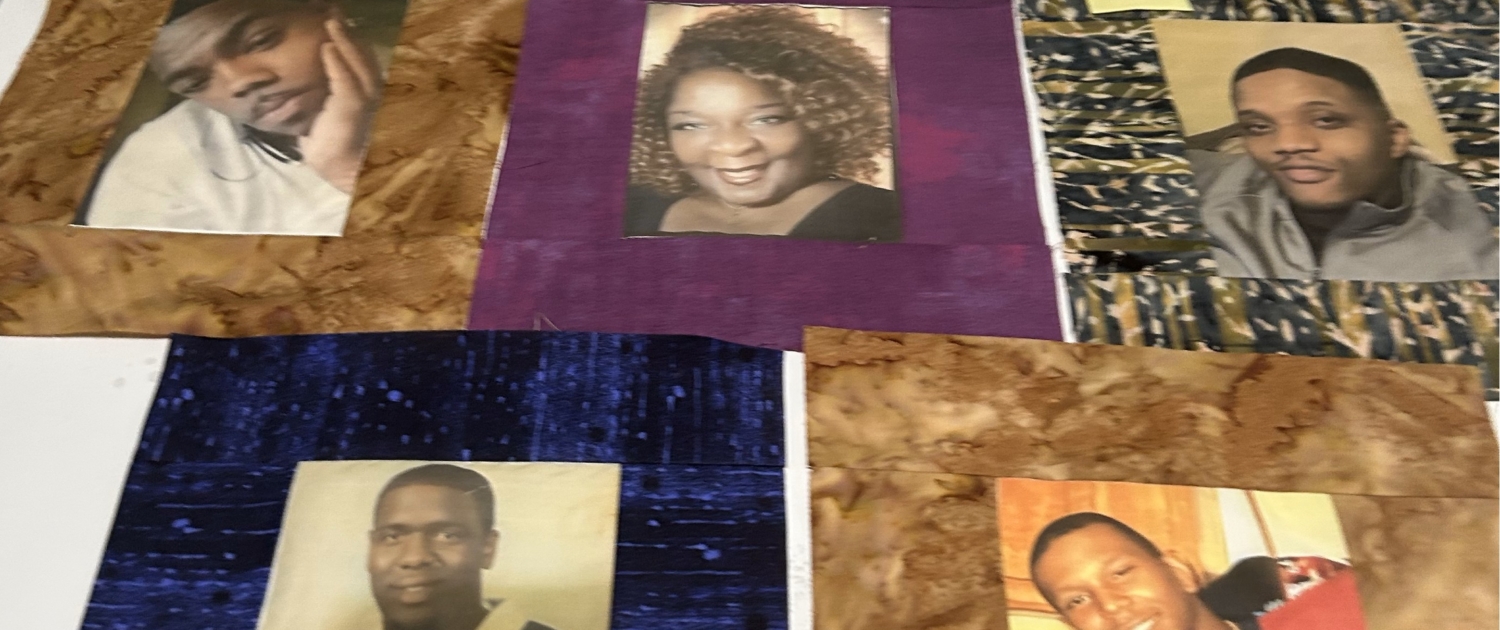
Creation of a quilt honoring loved ones lost to violence is one way Callie has helped others in the healing process.
Now, I don’t want to go too far down this rabbit hole, but we have to start using preventive measures to at least curb the onslaught of violence. We’ve got to stop waiting until these things happen and start applying the resources we have to the people who are already harmed. We’ve got to redirect the resources that are available to prevent further harm, not use them to incarcerate people more and forever; that hasn’t worked. Our prisons are bursting, and every day we hear or read about another capital murder charge. The death penalty isn’t working, because if it were, death row would have been empty a long time ago. But when we look at the restorative justice work that is happening, we are encouraged that it’s helping. When people have these hard conversations about justice, they sometimes achieve a positive outcome that offers a clearer path to their own closure and justice. How would it look for everyone, on all levels, if we had the resources to offer this kind of preventative, restorative path to everyone, and then apply justice in the way it was designed to be used? I believe in some cases it could help us to interrupt the violent reactions we often see.
We’ve got to change the narrative and not use all our resources to simply punish people, causing more harm to our society as a whole. We have to find the money to truly rehabilitate people– human beings– just like we find the money to build bigger and better prisons to punish them in. We have to be intentional about healing! For me, my healing process included the other family as well– the family of the person who killed my son. Where we lost our son, brother, family member, they were losing theirs as well. I know some will want to discuss this more, and we can. For me, when we forgave in the courtroom, the violence ended. There was no need for us to get revenge, to seek the death penalty (I was experiencing death, and I didn’t want it for anyone else, not even the shooter).
As survivors/victims of violent crimes, we have to do some really hard work to be restored. That journey is different for all of us. But in my thousands of conversations in this space, one thing rises to the top, something most people want: that what happened to me and mine doesn’t happen to me again or to anyone else. Preventive measures– it’s not too late to prevent the next violent crime. We just have to do the work. We all have skin in this game; no one is immune.
How do we do this, you ask? I’m glad you did. Appleseed has partnered with organizations like Crime Survivors Speak, GirlTREK, Supreme Transitions, ECHO, MAAVIS, and Faith In Action to work toward better, more restorative support for survivors in Alabama. Check out their links for more resources. There is no lack of work to be done on many levels. You can choose how you will be part of the healing process. And if you know people who are struggling in their own healing process, there are resources available to help them. Just reach out or come and join in.
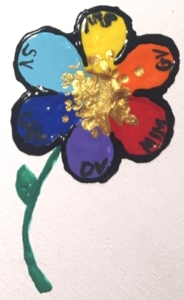
As I close my last blog, I pray it was helpful, encouraging, and insightful. I hope it has caused you to want to know or do more in this healing process. As I stated before, I bring my family into the healing process so we are all on this journey together. My granddaughter is an artist, and we use her every chance we get. I asked her to create a flower for me that is all-inclusive for this month. This is what we came up with. Please accept it as a reminder that you are not alone; we see you, we hear you, we feel you, and yes, we want you to be a part of this healing process. Come as you are, because where you are is where we start. You are enough.
Until next time,
Mama Callie



Leave a Reply
Want to join the discussion?Feel free to contribute!