SB 316, Alabama’s Prison Oversight Bill, Has Been Filed. Now Let’s Get It Passed.
More oversight, transparency, and accountability could be coming to the Alabama Department of Corrections under SB 316, filed last week by Sen. Larry Stutts, R-Tuscumbia.

Sen. Larry Stutts, R-Tuscumbia
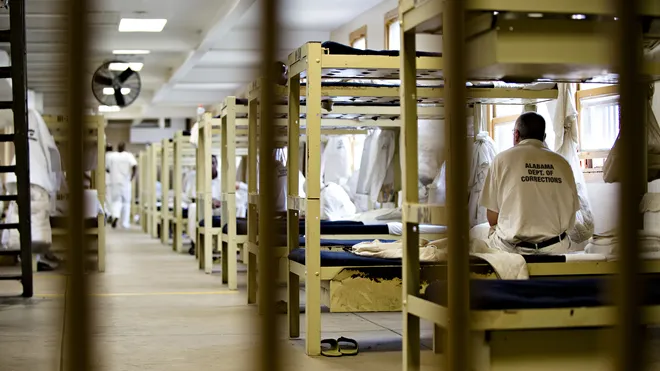
This bill is the result of years of investigations, litigation, and escalating prison expenditures that have failed to alleviate extreme violence, dysfunction, and the highest prison death rates in the country. It comes as families of incarcerated Alabamians have increased their advocacy and outreach to elected leaders.
Core components of SB 316:
- Increases the responsibilities and authority of the position within the Department of Examiners of Public Accounts that was created by Sen. Chambliss’s SB322 in 2024 to serve the Joint Prison Oversight Committee– naming it the Prison Oversight Coordinator.
-
- Allows the Prison Oversight Coordinator to visit any DOC facility for inspections at any time (“golden key access”), collect and report data that’s made available to the public, and provide recommendations for improvement, and gives them authority to investigate complaints from incarcerated people, their families, and correctional staff.
- Creates a Corrections Oversight Board.
-
- Made of lawmakers, medical and mental health professionals, formerly incarcerated people, family members of incarcerated people, and more. Tasked with holding at least one public hearing a year and reviewing the data, inspections and recommendations provided by the Examiners employee.
- Removes investigation authority from the Department of Correction’s Law Enforcement Services Division and places it with the State Bureau of Investigations.
-
- There have been documented issues with investigations within DOC facilities. Placing that authority with the State Bureau of Investigations provides a more transparent and independent process.
- Provides one special prosecutor to each DA’s office with a major DOC facility in their district.
All prison-related criminal cases are referred to the local DA’s office, but these offices are overwhelmed by the large numbers of cases coming in and unable to prioritize them. Providing a special prosecutor to each office with a major facility in its district will help provide the needed resources and capacity to ensure crimes happening inside DOC facilities, by officers and incarcerated people alike, are handled appropriately.
This legislation comes seven years in a crisis first identified by the U.S. Department of Justice.
In 2019, DOJ declared Alabama’s prisons for men unconstitutional. More than 1,500 Alabamians in prison have died since then. Meanwhile, the state has spent more than $5 billion on the prison system in the last five years – more than we’ve spent on public health, mental health, and child services combined. These costly prisons remain the deadliest in America.
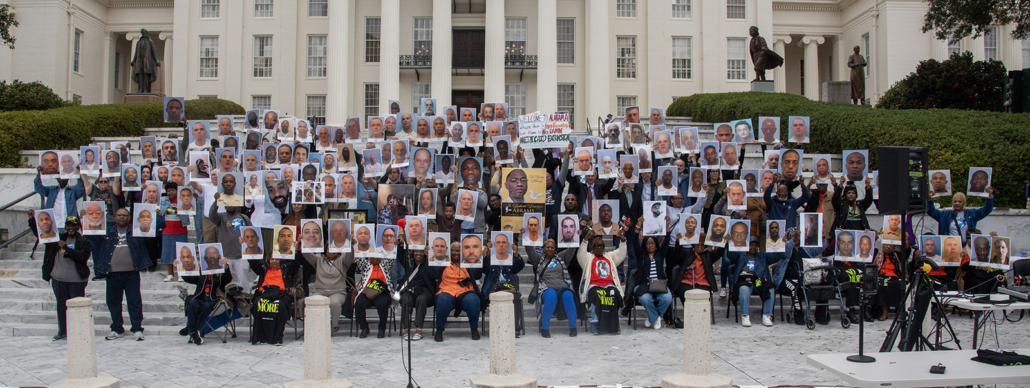
On Ash Wednesday, Alabamians gathered on the Capitol Steps to remember those who died in state prison custody. Photo by Bernard Troncale
- Alabama’s prison mortality rate has been far higher than any other state in the nation for at least 2 years in a row. In 2023 and 2024, Alabama’s death rate was more than 100 deaths per 100,000 people. No other state comes close.
The crisis at DOC is acute, and past efforts to improve prison culture and conditions have yet to produce noticeable positive outcomes. 
- Increased officer pay has brought in new officers– but significant numbers of current officers have been fired due to misconduct or criminal charges. Many more have serious documented allegations of misconduct, but the culture of ADOC and bureaucratic impediments restrict the ability for them to be disciplined or removed. The staff vacancy rate remains above 50%.
- Efforts to increase programming and positive culture, like the creation of educational incentive time credits– an effort led by Sen. Chambliss, the Chair of the Joint Prison Oversight Committee– have not been implemented because of the dysfunction.
- Even the costly construction of new prisons, despite the benefits that do exist, will not solve the underlying culture.
While many are aware of severe problems that exist at ADOC, increased transparency is necessary to weed out the roots of the dysfunction – where exactly are the problems coming from and how have they persisted, and even increased, despite the State being on notice from federal authorities for more than 6 years. With an ongoing crisis in Alabama’s prisons, there is no indication that change can or will happen on its own, regardless of leadership’s intentions.
While passing this form of oversight legislation now would be more responsive in nature, it would eventually act as a prevention mechanism— to avoid poor conditions and lawsuits, and keep us from ever getting to this point in the first place. Read more from bill sponsor Sen. Larry Stutts here.
Appleseed encourages Alabamians to reach out to their state legislators and express support for SB 316. Tell them:
As your constituent, I hope you will consider this issue– what’s at stake for incarcerated people and their families, correctional officers, our state budgets, and public safety– and encourage you to support Sen. Stutts’ legislation when you have the opportunity.



Leave a Reply
Want to join the discussion?Feel free to contribute!