By Akiesha Anderson, Appleseed Policy Director

Today, the Appleseed Network released its newest report, “Protecting Girls of Color 2020.” This report contains disturbing findings that show Black girls within Alabama’s K-12 public school system are disciplined more harshly than their white counterparts.

Based on data from the U.S. Department of Education, in 2015-2016 (the most recent year for which data was available), there were nearly 80,000 more white female students than Black female students enrolled in Alabama’s K-12 public schools. However, our research found that Black female students were more than twice as likely as that their white counterparts to experience all forms of school discipline, from suspension, to expulsion, to referrals to law enforcement, and even arrests:


  • 16.1% of Black female students received an out-of-school suspension, compared to 3.3% for female white students;
  • 9.1 % of Black female students received an in-school suspension, compared to 3.6% for female white students;
  • 545 Black female students received an expulsion, compared to 262 female white students;
  • 371 Black female students were referred to law enforcement, compared to 177 white female students;
  • 238 Black female students experienced a school-based arrest, compared to 71 white female students.

These figures illustrate a troubling reality regarding the existence of racial inequity within Alabama’s school-based discipline practices and the ways in which such disparities contribute to the school-to-prison pipeline and the criminalization of Black girls. As communities across the United States examine  over-policing, over-incarceration, and violence against Black people by law enforcement, this research provides critical data on how schoolchildren are not immune from these disparities.

Last year, Alabama Appleseed released “Hall Monitors with Handcuffs: How Alabama’s Unregulated, Unmonitored School Resource Officer Program Threatens the State’s Most Vulnerable Children” a report which contained additional findings about the way in which Black students within Alabama’s schools experience disparate treatment and exclusionary discipline at higher rates than their white peers. That report found that even though “Alabama public schools are 56.9% white and 33.5 percent African-American…. 74.4% of school-related arrests and 61.3% of referrals to law enforcement were imposed upon by African-American children.” That report also found that in comparison to all Alabama schoolchildren, Black boys specifically are referred to law enforcement at a rate of 2.5 times more often.

Numerous researchers, including those at Appleseed have found that the practice of seemingly holding Black students to a higher standard of behavior and/or imposing harsher penalties for misbehavior can lead to a lifetime of consequences for students of color. However, much of the existing research assessing the school-to-prison pipeline within Alabama, has focused solely on Black boys or students of color in the aggregate. Unfortunately, much less discussion has been dedicated solely to the disparate treatment of Black girls within school discipline contexts.

By focusing solely on girls of color, and specifically Black girls within Alabama, Appleseed’s newest report serves as an important first step to beginning the conversation about ways in which Black girls specifically can and should be better protected within our K-12 public schools. Ideally, future conversations will explore ways that current disciplinary practices can be replaced with solutions that allow Black girls the same freedom as their white counterparts to make and learn from childhood mistakes without the added consequences of being pushed out of school and into the criminal justice system.

International law firm Wilkie Farr & Gallagher, LLC lent expertise as Appleseed’s pro bono partner for this project. The full report included research on disparate treatment of Black girls in schools in Massachusetts and Kansas, as well as Alabama.

By Carla Crowder, Executive Director

Carla.Crowder@alabamaappleseed.org

One year ago, Alvin Kennard stood in a Bessemer courtroom nervous and uncertain. Striped jailhouse scrubs swallowed his rail-thin, shivering frame. After 36 years in a sweltering, unairconditioned prison, the chilled air of Judge David Carpenter’s courtroom was a shock to his system.

What came next was a shock to the justice system.  In 1983, Mr. Kennard had been sentenced to life without parole for a $50 robbery at a bakery. Judge Carpenter scrapped that and resentenced him to time served. A courtroom filled with Mr. Kennard’s friends and family erupted in hallelujahs. The television cameras started rolling.  As his attorney, and a worrier by nature, I immediately started thinking about next steps: This 58-year-old man had been incarcerated nearly two-thirds of his life. How on earth was he going to adjust to the outside world?

Extremely well, it turned out. Alvin Kennard filed a tax return this year. He tithes at church. He hasn’t even been affected by Covid-19, other than limits on the family gatherings he loves.

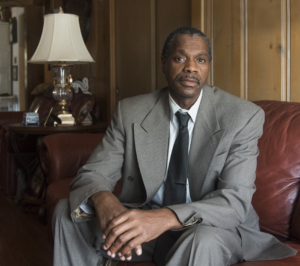
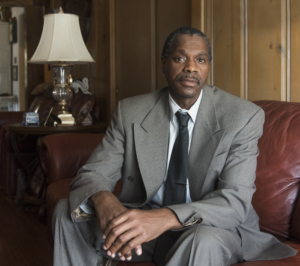
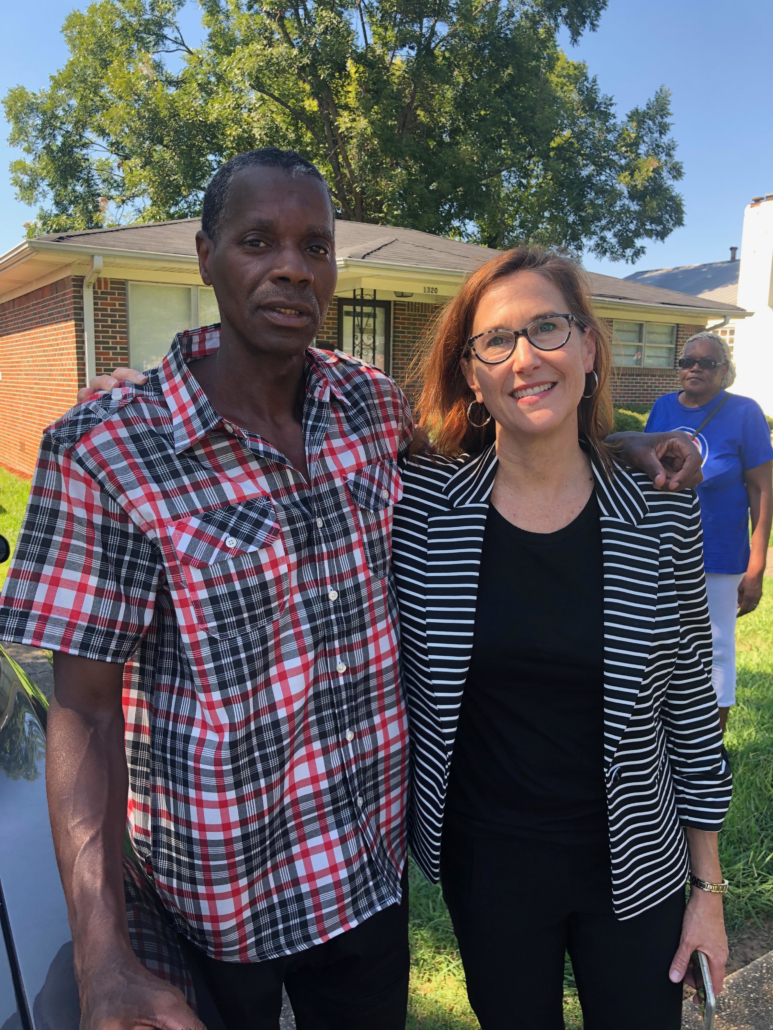
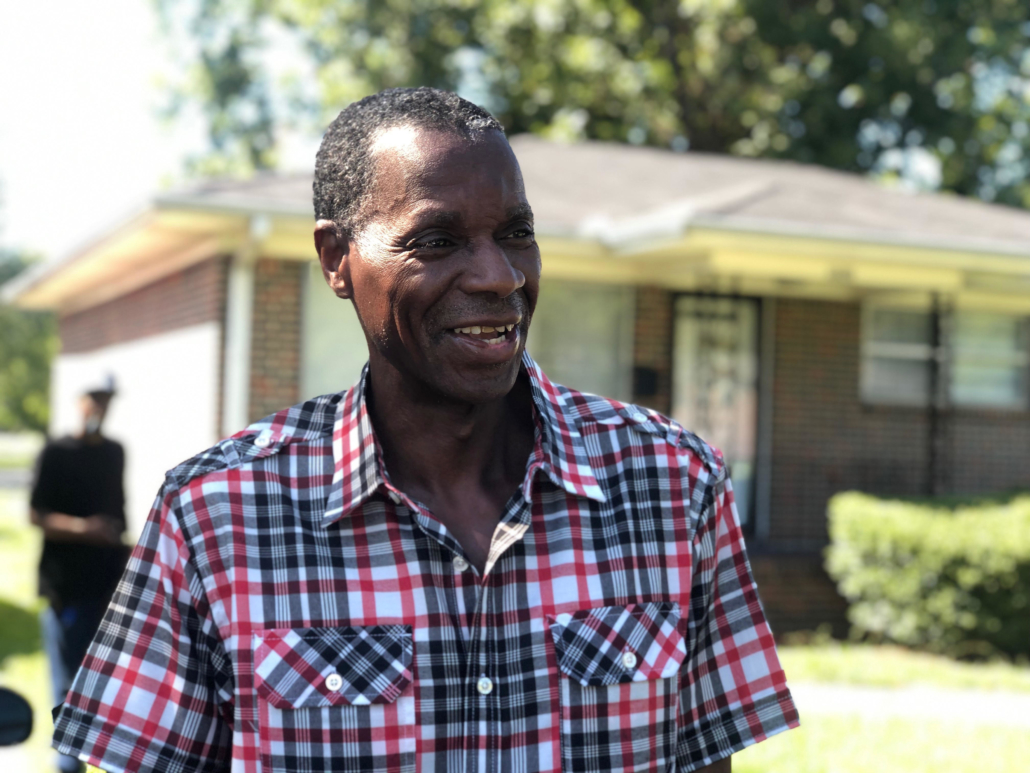
Alvin Kennard outside his home in Bessemer. August 28 marks the year anniversary of his freedom from a sentence of Life Without Parole for a $50 robbery. By Bernard Troncale

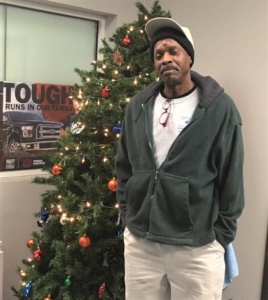
Mr. Kennard’s large, supportive family was critical to his successful re-entry. A room was ready in his brother’s home. A niece, who is a Bessemer businessowner, helped with transportation. Church connections helped him secure employment within six weeks at Town and Country Ford, where he works in the body shop buffing cars. Every so often, he calls me on his lunch break and lets me know things are still going just fine.  During the holidays, he texted me photos of him at the staff holiday party, standing next to a huge inflatable polar bear. Imagine returning from Alabama’s hellish prisons to a world where holidays are filled with enormous glowing inflatables. Mr. Kennard embraces it all – with joy.

“It’s almost a year I’ve had my job,” he remarked recently. “It’s been a blessing, it’s been wonderful. It’s not about how much money I’m making, it’s about what God allowed me to do.”

He loves listening to the birds chatter in the mornings, wandering down to the creek of his childhood and watching turtles and snakes. He’s got a favorite meat-and-three restaurant, Kayla’s, that’s helped him put on much-needed weight.

Mr. Kennard at work over the holidays. He’s employed in the body shop at a Ford dealership in Bessemer.


All conversations with Alvin Kennard eventually lead toward God. No matter how hard I try to give him credit for how hard he worked, how much he suffered, how he deserves a good life, he invokes God and the conversation becomes a prayer.

I wish more Alabama legislators, judges, and prosecutors could pray with Mr. Kennard.

Until last year, he was labeled a “violent felon” based on his robbery conviction at age 22.  Because of three minor non-violent convictions stemming from the same arrest at age 18, he was labeled a habitual offender.  Based on the calls and mail that poured into Alabama Appleseed’s office following news of Mr. Kennard’s freedom, there is a world out there that does not see him as a violent felon.  “A few month ago, I heard about you. My father was from Alabama, Bessemer, too,” wrote Elizabeth, from Spokane, Washington, who mailed him a little cash – “a gift, so that your days moving forward are hopeful, full of love and belonging.”

Elizabeth acknowledged something else about Mr. Kennard’s story: “I’m learning more about how horrible the police and jail systems are (& the laws, too). It’s not new … but the depth of the corrupt mission is being seen.”

At Appleseed, we’ve also gotten mail from those still stranded in prison honor dorms. Men in their 60s, 70s, one who is 86, sentenced to die in prison for the sins of their youth under Alabama’s draconian Habitual Felony Offender Law. They tell us about their kidney problems, their high blood pressure, their crack-cocaine addictions from the 1980s that led to convenience-store hold ups and courthouse decisions that they were forever beyond redemption. Except now, they are the prisons’ hospice workers, GED teachers, barbers, launderers, preachers, peacemakers, and clean-up crew.  “The [whole] time I’ve been in, I’ve worked as a hall runner, shift office runner, infirmary runner and have seen so much brutal violence and had to clean up so much blood out of cells, off of walls and hallways and had to help pick up dead inmates or seem dead and get them to the infirmary,” wrote one man whose conviction dates back to the first Bush Presidency. “I’ve had so much prison blood on my hands, I see it in my sleep.”

Due to the limitations and complexities of Alabama criminal procedure, there is currently no clear vehicle for second chances for these old men in the honor dorms.  Mr. Kennard is free only through extraordinary mercy and grace from Judge Carpenter and the Bessemer Cutoff District Attorney’s Office led by Lynneice Washington.

Mr. Kennard in court on the day he was resentenced.

Mr. Kennard turns 60 this year. He will celebrate a full year of employment and get a week’s paid vacation. Most likely he’ll purchase a new suit or two. If there’s one thing I’ve learned about Mr. Kennard this year – beyond his faith and his work ethic – is that he is a sharp dresser, which makes it all the more unfortunate that the cameras were rolling on him while he wore faded jailhouse scrubs.

He is much more himself in his Sunday best.

Alvin Kennard rarely speaks of his freedom without acknowledging his faith in God. By Bernard Troncale


Our team at Alabama Appleseed is pleased to be working with several terrific students this summer. Through remote internships, these students are advancing the cause for justice in Alabama and helping us with research, writing, data collection, policy analysis, and more. The passion, dedication, and skill of these students brightens the future.

We are proud to welcome these students who are working with us to build a better Alabama:

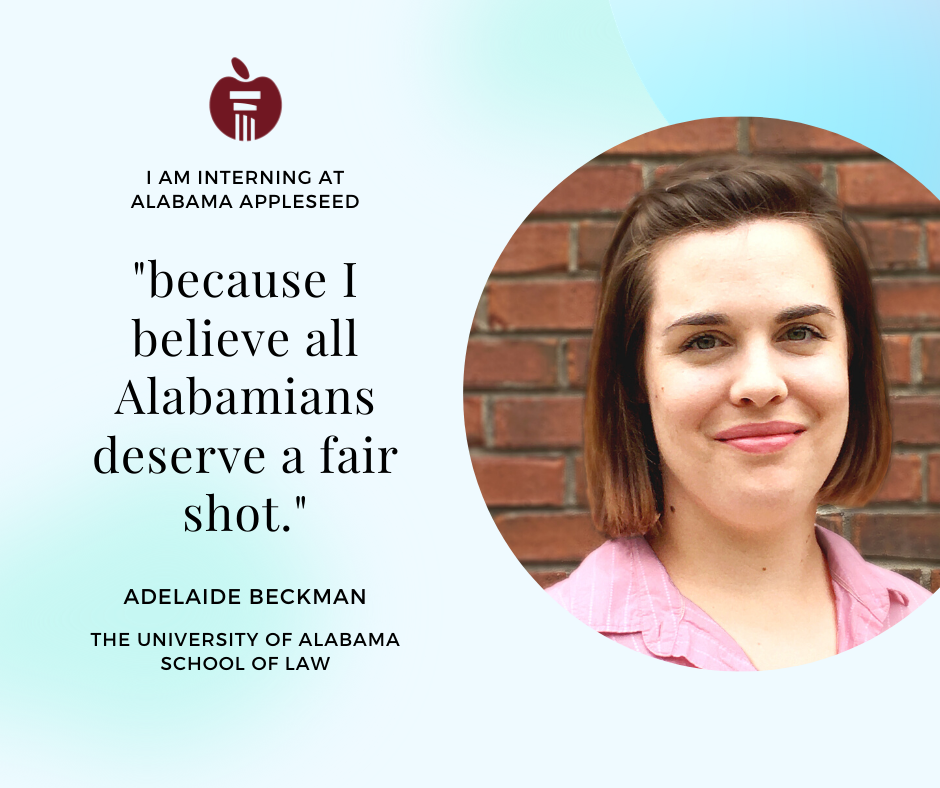
Adelaide Beckman (The University of Alabama School of Law)

Adelaide Beckman is a second year student at the University of Alabama School of Law. Born into a military family, she has lived in eight states and two countries. In 2015, she graduated from the University of Alabama at Birmingham with a degree in Communication Studies. Afterwards, she joined Teach For America and worked as a public school teacher in Cincinnati, Ohio, for two years. In 2019, she joined the UA Law School Class of 2022 as a Dean’s Scholar.​

Nefsa’Hyatt Brown (Alabama State University)

Nefsa’Hyatt Brown is a rising senior at Alabama State University majoring in Political Science with a minor in International Relations, Foreign Policy, and Global Studies. She is from Mobile, and as a native of Alabama, she have witnessed how various institutions within the American governmental system disenfranchise certain populations, specifically people of color and those who are impoverished, which has led to her interest in a career in the public sector. Upon graduation, Nefsa’Hyatt plans on going to graduate school to pursue her master’s degree and eventually become a foreign service officer for the United States.

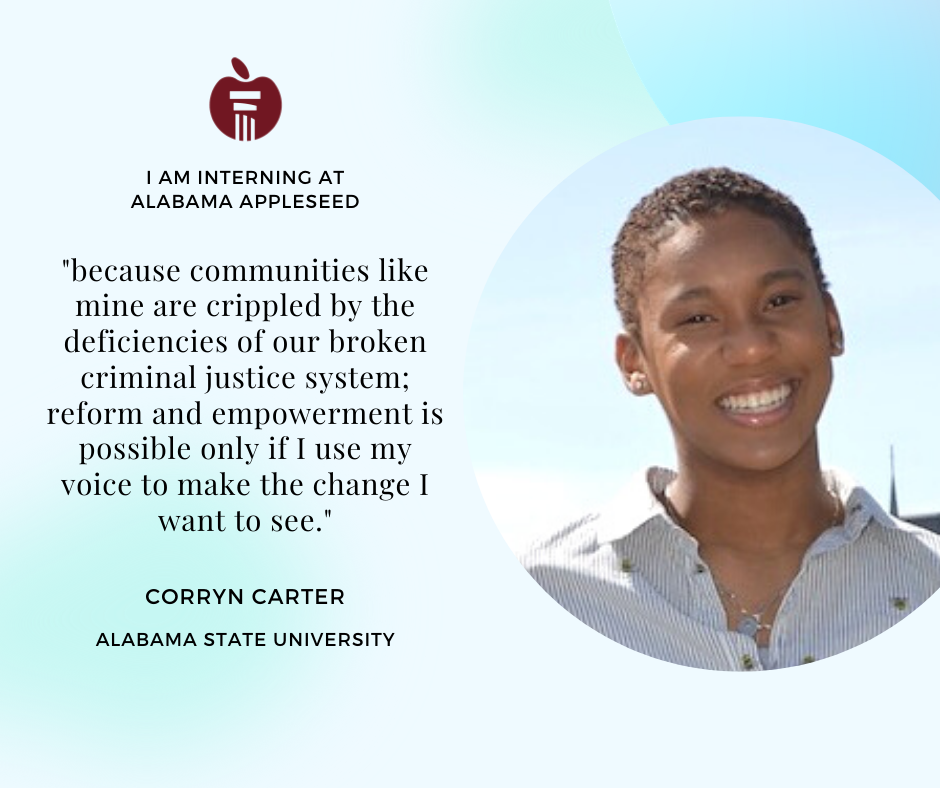
Corryn Carter (Alabama State University)

Corryn Carter is a rising junior Communications major with a minor in Political Science at Alabama State University. She currently serves as the Alabama Youth and College NAACP Juvenile Justice chair and was the 2019-2020 Juvenile Justice Chair for her university chapter of NAACP.

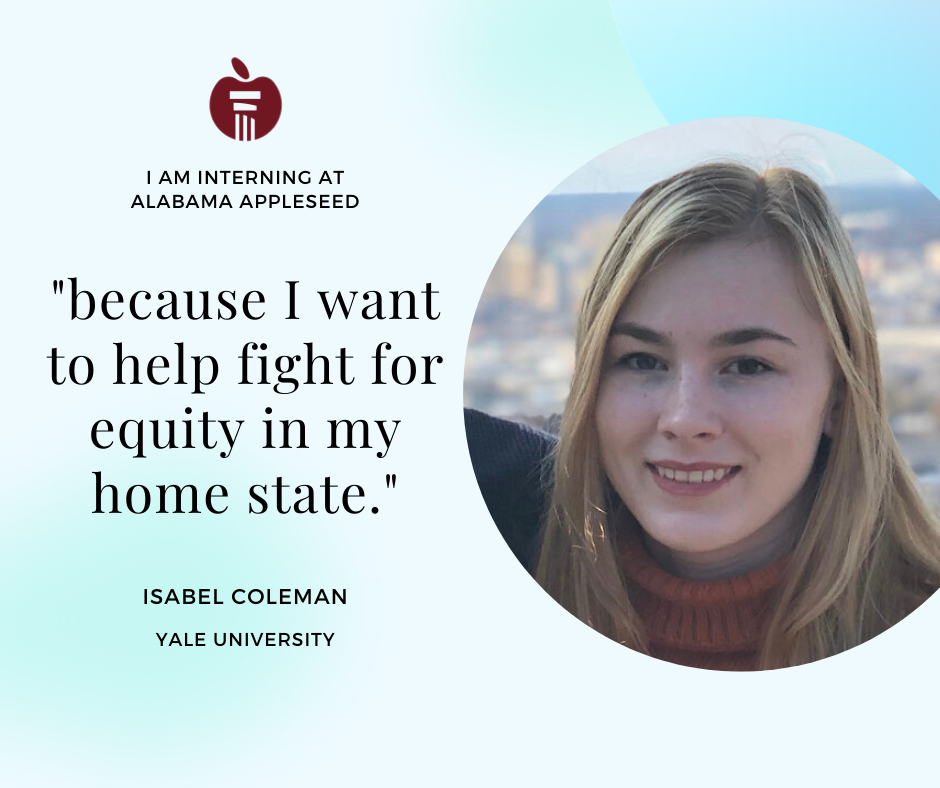
Isabel Coleman (Yale University)

Isabel Coleman grew up in Birmingham Alabama. She studies philosophy and competes on the debate team at Yale University. Ultimately, she hopes to move back to the South and pursue a career in legal advocacy. She is most passion about prison reform and other efforts to address structural inequality.

Alli Koszyk (The University of Alabama School of Law)

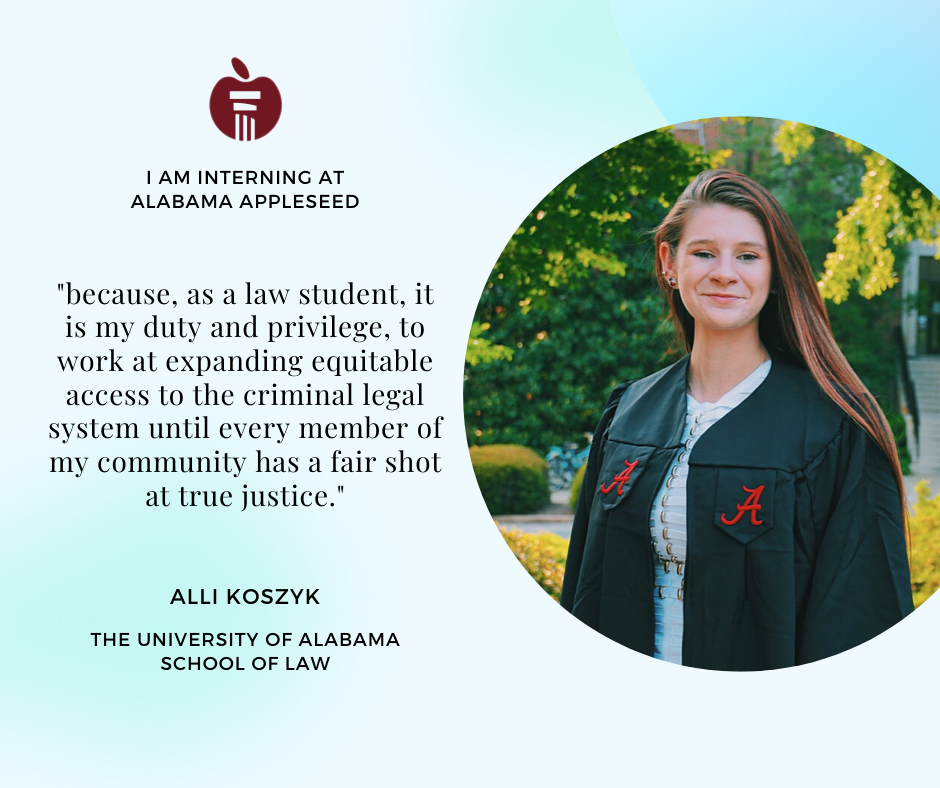
Allison Koszyk is a Chicago-Area native who came down South in 2015 for undergrad and never left. She earned her undergraduate and graduate degrees in Hospitality Management from the University of Alabama, and will begin her second year of law school in Tuscaloosa, this fall. Allison is on the Advisory Board for the Blackburn Institute, serves as Senator for the law school in the Student Government association. She is the Secretary for Outlaw, and the Director of Communications for the UA Chapter of the National Lawyers Guild. She has adopted y’all, and considers herself a Southerner by choice. Allison strives to fight injustice in all its forms and wants the rest of the world to start recognizing the good work that is being done here in the name of equality and justice.

Hannah Krawczyk (Auburn University)

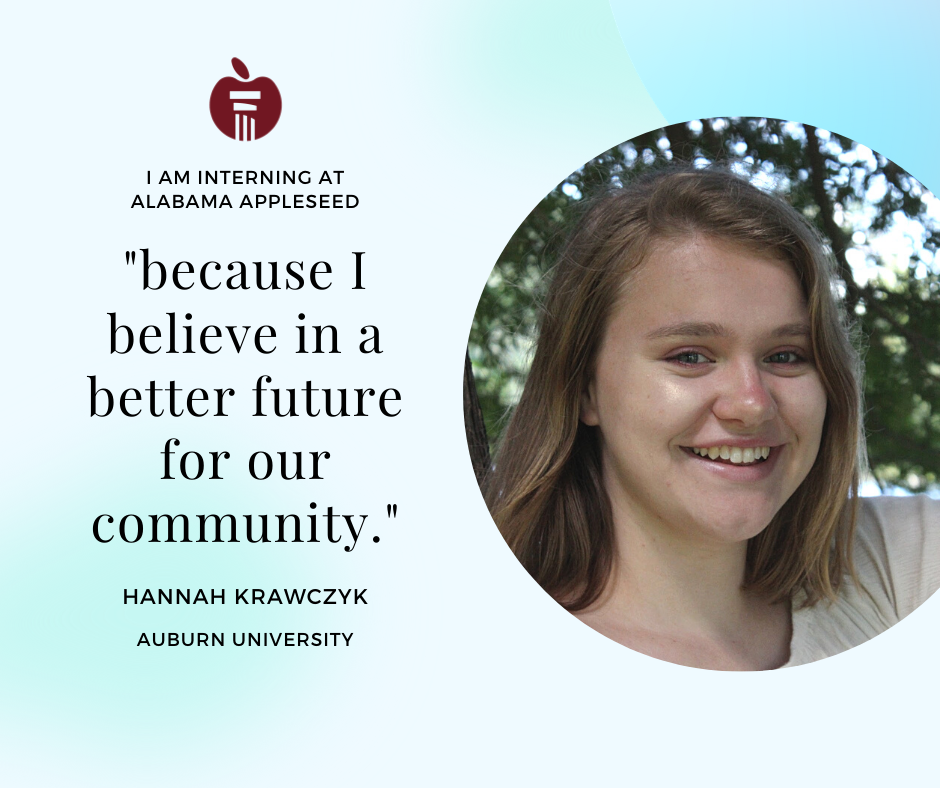
Hannah Krawczyk is a junior working on a degree in the accelerated Bachelors and Masters of Public Administration program at Auburn University. She is on the board of the League of Women Voters of East Alabama, and works on the Auburn Justice Coalition leadership team. Her interests in advocacy and research began after arriving in Alabama for university, and engaging with friends on-campus in advocacy and education projects.
.
Imani Richardson (Yale University)
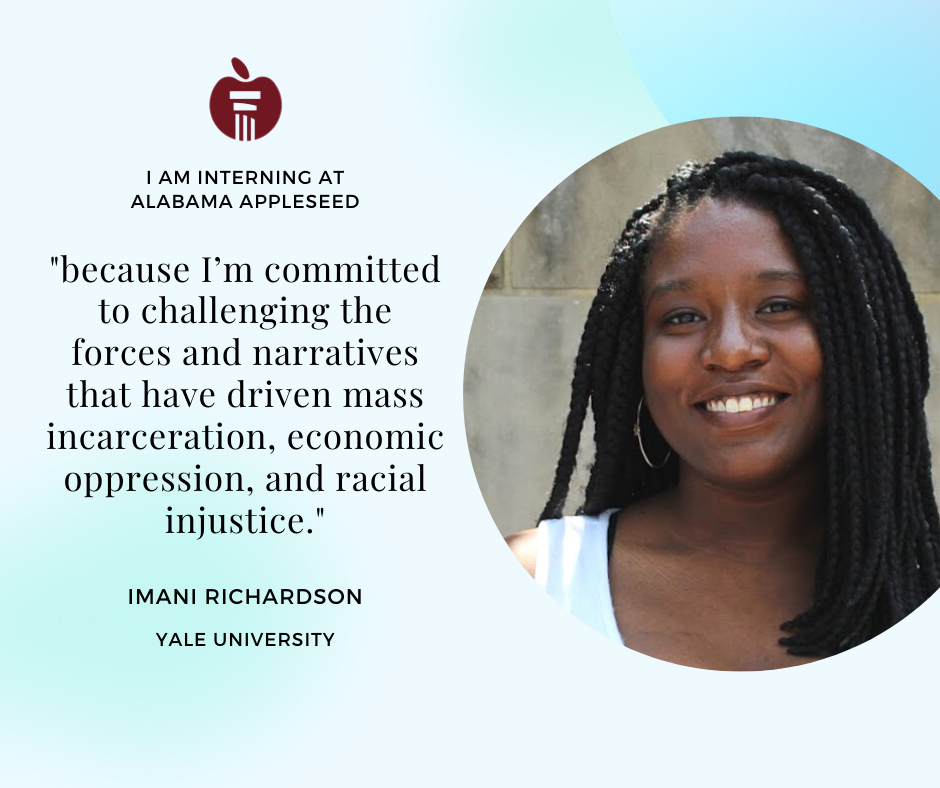
Imani Richardson is from Birmingham, Alabama. She is a rising senior at a Yale University, where she majors in African Studies and Political Science. On campus, she is involved with a number of cultural, advocacy, and service organizations, including Urban Improvement Corps and Yale Black Women’s Coalition, and after graduation, she hopes to pursue a career in public policy and advocacy. This summer, Imani is interning at Alabama Appleseed because she is committed to challenging the forces and narratives that have driven mass incarceration, economic oppression, and racial injustice more broadly by advocating for justice and change at the legal, legislative, and grassroots levels. She believes that in working alongside and demanding better for our society’s most vulnerable and discriminated against, we create a more just, more equitable society for all of us.

Renuka Srivastava (The University of Alabama at Birmingham)

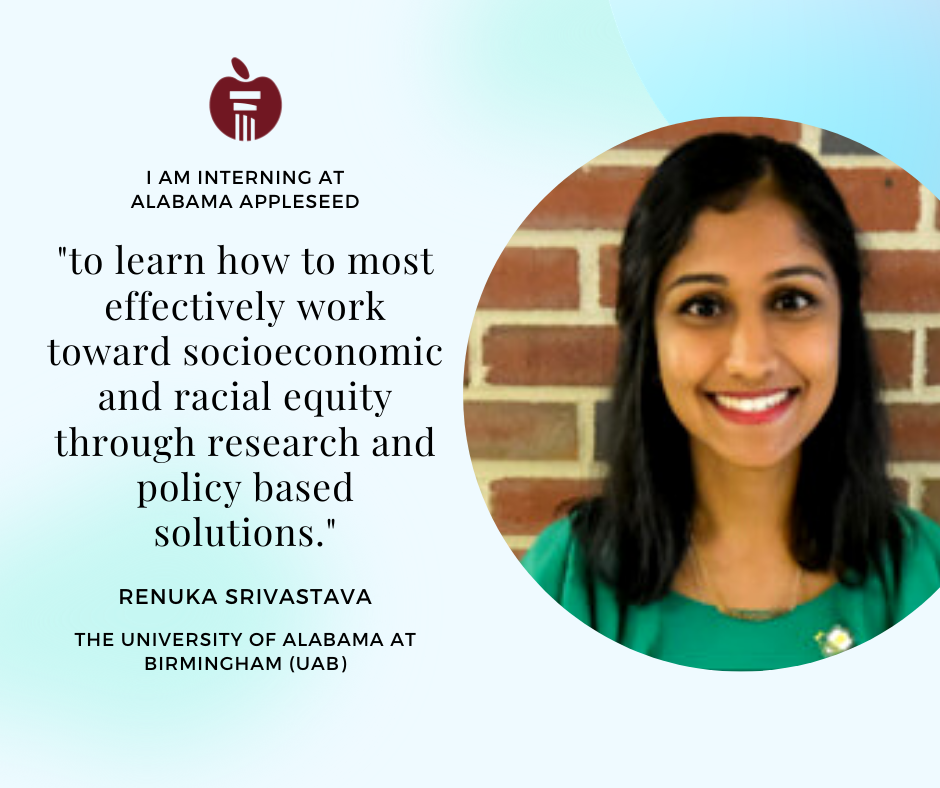
A native of Meridian, Mississippi, Renuka has always held a special place for the South in her heart. Renuka’s passion for the progression of social justice issues in the South has allowed her to bring significant changes on in her community ranging from registering thousands of voters to working on sensory inclusion on an international level. Renuka first started working on campaigns in the 7th grade and strongly believes in policy-based solutions. Renuka looks forward to attending law school this fall and work in the South following law school to litigate for disadvantaged individual and advocate against unjust public policy.

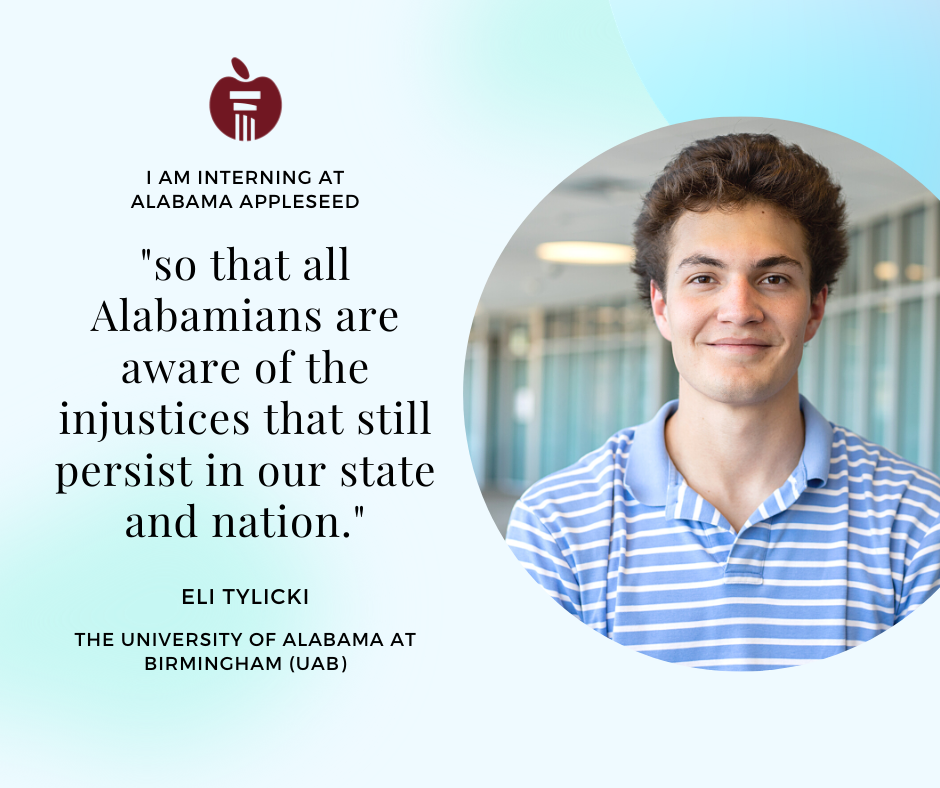
Eli Tylicki (The University of Alabama at Birmingham)

Eli Tylicki is an upcoming senior at the University of Alabama at Birmingham studying economics and philosophy. He loves learning, and he gets my fulfillment from helping others. Eli plans to finish at UAB and attend law school so that he may pursue a career in human rights law.

By Carla Crowder, Appleseed Executive Director

Birmingham, Ala. — A little more justice slowly made its way into Alabama this week.

Roberto Cruz, a 71-year-old man who had been sentenced to die in prison for a case involving marijuana – that’s right, only marijuana – was resentenced to time served and will soon be released from Donaldson prison.

Mr. Cruz’s odyssey through the Alabama court system contains so many remarkable elements it’s hard to know where to start. In 2003, he was charged with drug trafficking when the vehicle he was a passenger in was pulled over in Warrior and police found 25 pounds of marijuana in the trunk.  The driver received a 3-year split sentence and was deported.  Mr. Cruz was sentenced to Life Without Parole.

Roberto Cruz was ensnared in a system that has some of the country’s harshest sentences and lowest weight thresholds for marijuana offenses, Jefferson County Judge Stephen Wallace found, when he resentenced Mr. Cruz to time served.

The State’s primary evidence, according to Jefferson County Circuit Judge Stephen Wallace’s order: “[C]ircumstantial evidence suggesting that since the defendant was a passenger in the vehicle and marijuana has a strong odor, then he must have known about the drugs.”

At trial in 2005, Mr. Cruz’s attorney offered no mitigating evidence nor objection to the State’s use of prior convictions from 1985 to enhance his sentence under the Habitual Felony Offender Act. It took almost 16 years for the Alabama justice system to correct this error. Turns out, the State was not permitted to use those old convictions, all of which were drug crimes stemming from a single incident in Georgia.  Well-established Alabama case law excludes drug convictions prior to 1987 for use in HFOA sentencing because drug crimes had their own recidivist statute until then. But no one in Judge Gloria Bahakel’s Jefferson County courtroom 15 years ago could be bothered to point that out.

The story of how this error got corrected speaks volumes about the frailties in Alabama’s justice system and the harm done to defendants without access to money. The Alabama Court of Criminal Appeals affirmed the conviction and sentence.  Incarcerated and without the benefit of counsel, Mr. Cruz filed post-conviction petitions that went nowhere. Then investigators with the Southern Poverty Law Center discovered his case while researching marijuana trafficking cases. They put Mr. Cruz’s plight on the radar of Jefferson County Public Defender Adam Danneman, who vigorously took on the case.

Judge Wallace’s order, most importantly, provides immediate release to a 71-year-old man who has no business at Donaldson prison. But it goes further in pointing out the “disturbing” reality that Alabama is still sending people to prison forever for marijuana, a substance legal in 11 states, and decriminalized in 16 more. “Commercial distribution of cannabis is allowed in all jurisdictions where it has been legalized, except for Vermont and the District of Columbia,” he wrote.  Even in the surrounding southern states of Georgia, Florida, and Tennessee, Alabama’s weight threshold for a trafficking conviction – greater than 2.2 pounds – is way out of line.

“Judge Wallace’s order hits the nail on the head. We have the lowest thresholds and the harshest punishments in the country for marijuana in this state,” Mr. Danneman told me. “Regardless of how you feel about the legalization/decriminalization of weed, 15 plus years in prison is a shockingly harsh punishment. I’m glad we were able to do something about it.”

Appleseed and the Southern Poverty Law Center focused on Alabama’s harsh marijuana laws in our report, Alabama’s War on Marijuana: Accessing the Fiscal and Human Toll of Criminalization. We found that marijuana enforcement costs Alabama taxpayers $22 million per year, a cost worth examining given the enormous state budget shortfalls anticipated by the COVID-related economic downturn and court closures.

The human costs are much worse.

In leaving prison as an older person once sentenced to die there, Mr. Cruz is in good company.  Within the last year, 72-year-old Geneva Cooley and 58-year-old Alvin Kennard have walked free, in large part because of Jefferson County judges and prosecutors who were unafraid to take a second look at how the mistakes of our past are wasting lives and hurting people.  Like Mr. Cruz, Ms. Cooley’s LWOP sentence was for drug trafficking.

Mr. Kennard at his Bessemer home a few months after his release from prison. Photo by Bernard Troncale

Mr. Kennard was my client and I still see him on a regular basis. Within 6 weeks of release, he secured a job at a car dealership. He talks about going to work like it’s the best thing that ever happened to him. Work, family, and church are his priorities.  In fact, Mr. Kennard and Bessemer District Attorney Lynniece Washington attend the same church. And she is fine with that, she once told me. After all, she saw no purpose in opposing Mr. Kennard’s resentencing. He had served 36 years for a $50 robbery.

But there are so many more like them. According to data from the Alabama Sentencing Commission that Judge Wallace included in his order, 22 people in Alabama are serving sentences of Life Without Parole for drug convictions, 255 for robbery – all crimes that require no physical injury for a conviction.  But under Alabama’s Habitual Felony Offender Act, that does not matter.

More than 100 of these people are over 60 years old. As COVID-19 spreads through the Alabama Department of Corrections, with now 25 confirmed cases among staff and incarcerated people, the potential consequences of these sentencing decisions become more fraught.

We celebrate with Roberto Cruz. And still we search for the ways Alabama’s criminal punishment system will somehow provide justice to the many others like him.

For a full account of Mr. Cruz’s case, please read Kathryn Casteel’s detailed report from the Southern Poverty Law Center.

By Akiesha Anderson, Appleseed Policy Director

On March 30th, Alabama Appleseed sent a letter to Dr. Scott Harris—Director of the Alabama Department of Public Health (ADPH), and Brian Hastings—Director of the Alabama Department of Emergency Management (ADEM), urging their agencies to share with Appleseed and the general public their plans to ensure that COVID-19 testing sites would be set up in every county throughout the Black Belt.

What factors motivated the decision to send this letter?

The answer for this is simple, I care about the plights and difficulties that affect us, as a community and society.

It is very well understood that we are all navigating the struggles associated with combating COVID-19  as a society. In the recent weeks, there have been national, state, and local conversations about the disproportionate impact that COVID-19 has had on Black communities with the understanding that this is tied into inequality in our health care system. Although these conversations about how racism and bias negatively impact how Black people in America receive access to healthcare are not new, they remain essential. It is also essential that as we have these conversations, we delve exploring the intersectionality of race, poverty, gender, and geography.

A farmer hauls hay in Lowndes County, one of the poorest counties in the nation. Photo Bernard Troncale

At the time the letter was sent, there were a total of 831 confirmed COVID-19 cases throughout the state, and the first case of COVID-19 had been confirmed in Alabama only 10 days prior. While it was admirable to see that within 10 days the state was able to test nearly 1000 Alabamians, it was concerning to know that although 13% of all tests had resulted in a positive case, less than 1% of those positive cases were found in the Black Belt.

According to 2019 Census data, residents of the Black Belt counties make up 11% of Alabama’s population. Census data also reveals that the Black Belt has a higher percentage of both Black and poor residents that the statewide average. Given reports of testing shortages generally, the limited information gleaned from ADPH data, historical context, and the demographics of the Black Belt, it seemed unlikely at the time, that the state was disseminating the same resources to the Black Belt as they were other communities.

What did we learn in the weeks immediately after sending the letter?

Within just a few hours of receiving our letter, Director Hastings shared that it was his belief that plans were in place to expand testing throughout the Black Belt. This sentiment was repeated by elected officials and leaders throughout the coming weeks, as I continued to inquire about when testing sites would expand throughout the region. In lieu of permanent testing sites, many Black Belt counties have relied on mobile testing sites in an effort to increase testing. Over the past weeks, several Black Belt counties set-up these mobile sites at the County Health Departments.

In early April, ADPH employees revealed that there was no clear plan with regard to how often any of the mobile sites would return to each county. In Wilcox County, for example, an employee at the County Health Department shared with me that they were unsure whether the mobile testing sites would be returning every week or on a case-by-case basis. However, the employee feared it would be the latter.

In addition to barriers to testing created by such infrequencies, testing within these counties was seemingly somewhat inaccessible to Black Belt residents for several other reasons. For example, due to the limited amount of tests distributed throughout the state, health departments within the Black Belt indicated that they were using specific and narrow criteria to pre-screen patients beforehand to determine who could receive testing. Specifically, the county health departments reportedly were only testing people that BOTH (a) had a doctor’s referral and (b) met the following criteria: (1) were symptomatic with a fever, cough, shortness of breath AND were either (1) 65 or older, (2) a health care worker, or (3) someone with an underlying health condition that makes them immunocompromised/at higher risk.

These criteria were troubling for numerous reasons. While this criteria might have seemed normal and like an appropriate way to determine how to prioritize the allocation of limited resources/tests, such criteria essentially meant that many Black Belt residents would be considered ineligible for testing at the State Department of Health sites. Worth noting first, this criteria was stricter than the criteria outlined on the ADPH website. That suggests that as a matter of unofficial policy implementation, Black Belt residents might have had a harder time accessing tests than members of other communities throughout the state.  Secondly, as previously discussed, there are a number of characteristics unique to rural, Black Belt, and poor communities that likely made these criteria more harmful than helpful. For example, considering the historic disinvestment in rural and Black Belt counties it is possible that Black Belt residents are less likely to have access to a doctor that is able to give them a referral. Also, for those who  do have access to a doctor, research has long shown how racism and bias plays out in the healthcare system, so minority and poor people are also at the mercy of whether or not a doctor even believes them or finds them credible or worthy enough of receiving an exam. Similarly, due to healthcare shortages and vulnerabilities that have existed long before COVID, it is also likely that members of Black Belt communities may have undiagnosed health  conditions that they are unaware of simply because they don’t have the same access to healthcare professionals as members of other communities do.

Has testing in the Black Belt improved in the past month?

Although the Black Belt still lacks permanent testing sites within eight of its ten counties, in the month since Appleseed wrote to Dr. Harris, testing capacity and rates have risen. Within the last two weeks for example, testing of Black Belt residents has nearly doubled—as tests administered to Black Belt residents rose from a total of 4645 on April 21st to a total of 8362 on May 1st. Despite the fact that testing throughout the state of Alabama remains low—less than 2% of the state’s population has been tested— testing amongst Black Belt residents is beginning to reach parity with State-wide rates, have gotten closer to reaching parity with statewide rates. As of May 1st, approximately 1.5% of the Black Belt has been tested for COVID-19. However, as Black Belt testing increases, we are beginning to witness the opposite problem of what was seen weeks ago, when Black Belt residents seemed to be underrepresented when assessing positive test results. In contrast, as testing increases, we are beginning to witness Black Belt residents are becoming overrepresented with regard to positive test results. Although Black Belt residents make up 11% of Alabama’s population, they now make up 16% of the COVID-19 positive test results.

What does this increase in positive COVID-19 cases within the Black Belt reveal?

It is no secret that there have been numerous challenges that the state Department of Health and other state leaders have had to navigate since the first coronavirus case was confirmed in Alabama. However, the recent rate at which new cases have been confirmed within the Black Belt suggests that the previously low number of confirmed cases likely resulted from simply a lack of testing rather than a lack of occurrences. Given this possibility along with the State’s decision to slowly reopen the state by rolling back both social distancing and business restrictions; it is possible that the state may not be able to increase testing in enough time to detect and prevent spread of existing COVID-19 cases in the area.

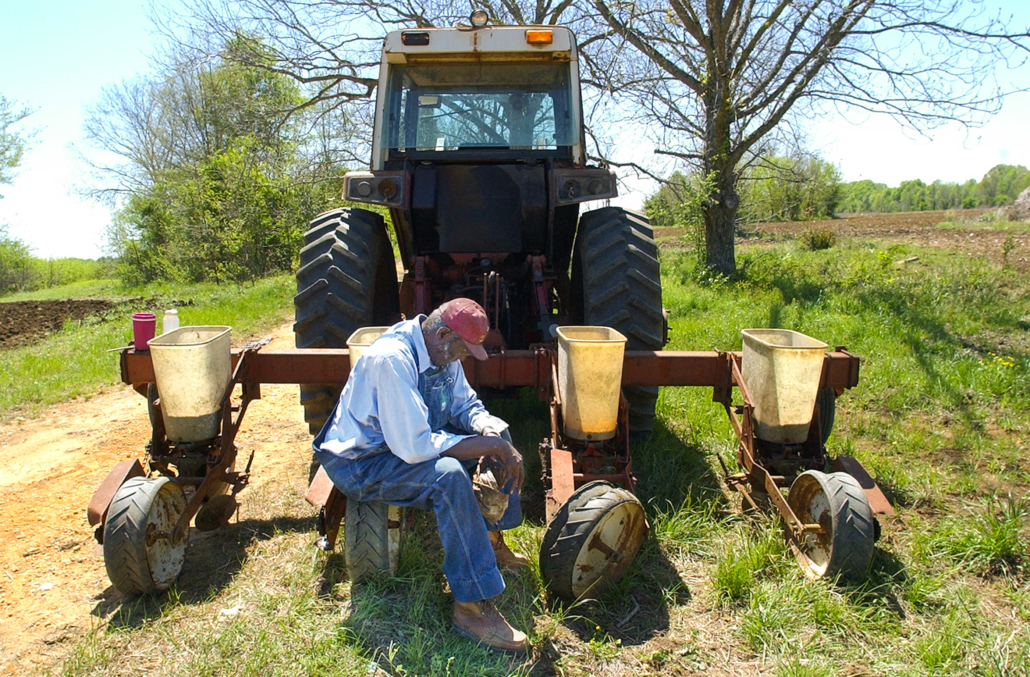
A 71-year-old farmer in Perry County, Alabama waiting on parts to fix a broke tractor. Photo Bernard Troncale

Something to Ponder

Every policy, action or inaction by a public official or governmental institutions is ultimately a decision that tells us something about what people, communities, and beneficiaries said actors both prioritize and deprioritize. Which communities get allocated resources, how quickly, and how many resources has long been deeply inequitable and oft-times exclusionary process. As leaders continue to make decisions about the allocation of resources during this epidemic, we should be vigilant to fight against the inequities that race, class, and nepotism can create. Because policy makers and public officials routinely sacrifice some people for the perceived “greater good” of others, we must continue to challenge who we allow decisionmakers to  deem as “disposable”.

Alabama Appleseed’s mission of justice and equity for all Alabamians compels us to do so. Given what’s at stake with this pandemic, this mission is more urgent that ever.

By Leah Nelson, Appleseed Research Director

MONTGOMERY, Ala. — When police pulled Reunca Lewis over near downtown Montgomery on April 17, the 23-year-old Montgomery resident was baffled. Lewis’s car had been stolen and then involved in a hit-and-run, and she had spent most of the day with police downtown, dealing with the aftermath. Now, the police officer who pulled her over was asking why her new vehicle didn’t have tags.

She showed him her registration and proof of insurance and explained she couldn’t get tags because the office that issues them is closed due to Covid-19. The officer issued a warning, then excused himself and called dispatch.

Suddenly, three more police vehicles swarmed up and parked behind her car. The officer re-approached, told her to exit the vehicle, and arrested her for having outstanding warrants because she had missed a March hearing regarding unpaid traffic tickets. Lewis’ sister-in-law, 20, who happened to be in the car with her, was arrested for the same reason. In the back of the car, Lewis’s six-year-old son wept in fear while Lewis’ mother rushed across town to pick up the car and take the child home. 

Lewis, who has three other children at home including medically fragile 11-month-old twins, wept too.

The officer took Lewis and her sister-in-law to Montgomery City Jail, where they spent three nights locked in a tiny cell with two other women, one of whom was coughing and begging for medical attention.

All of the women were terrified. One was there in connection with an altercation with a neighbor, but, said Lewis, the majority of them there in connection with unpaid traffic tickets.

On a normal Friday, that wouldn’t be surprising. Like all municipal jails in Alabama, Montgomery’s city jail holds people arrested for allegedly violating municipal ordinances or committing misdemeanors. Many people are held in jail after missing hearings in connection with unpaid traffic tickets – Lewis herself has spent time there twice before in connection with tickets she did not have money to pay. Most of the time, the city jail also holds a few dozen individuals awaiting trial in federal court, as well as a handful of people serving sentence of less than a year.

But Friday, April 17 was not a normal Friday. On that Friday, cases of Covid-19, the potentially fatal illness caused by the novel coronavirus, were spiking across the state of Alabama. With less than one percent of the population tested statewide, there were already 206 cases in Montgomery County alone, according to data published by the Alabama Department of Public Health. That same day, the Alabama Department of Corrections announced for the first time that Covid-19 was spreading through its inmate population, with three positive tests at two different facilities. And weeks earlier, the governor had granted municipalities like Montgomery permission to issue summonses instead of arresting people who, like Lewis and her sister-in-law, were accused of nonviolent offenses. According to the proclamation, the reason for this extraordinary action was “[b]ecause the conditions of jails inherently heighten the possibility of COVID-19 transmission.”

Despite these known risks, Lewis and her sister in law were taken to jail. There, she said, none of the women she was with had personal protective equipment like gloves or face masks. There was no hand sanitizer or hot water. The inmates who gave her her jumper, mat, and other supplies when she was booked were without supplies, as were the inmates who worked in the kitchen. She reports that officers checked inmates’ temperatures before booking them in, but that while she was there, a male inmate arrived with a fever and was booked in anyway. Corrections officers made some effort to separate new arrivals from inmates who had been in for a while, but took no meaningful steps to protect the new arrivals from each other, Lewis reported.

When Lewis finally got before a municipal judge on Monday via videoconference, he told her a new date would be set, but declined to provide her with a clearance letter to get her license back after it was suspended for failing to appear in court. Until it is returned to her, Lewis, who is at heightened risk of being pulled over until state offices reopen and she is able to get a tag for her vehicle, risks being ticketed again for driving with a suspended license.

As an African-American woman, she is also at heightened risk of contracting Covid-19: In Alabama, nearly 58 percent of cases have been women and nearly 38 percent have been African American, even though the population overall is about 50 percent female and 27 percent African American.

Lewis is aware of these risks, and she is terrified. “Are our lives or tickets more important to them? Like, this is a fatal virus,” she said. “People are dying. They had us in there for tickets.”

Update: This post was updated on April 30, 2020 to reflect new facts provided by the City of Montgomery regarding the date of the hearing Ms. Lewis missed.


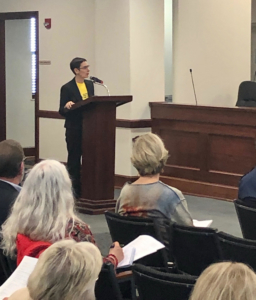
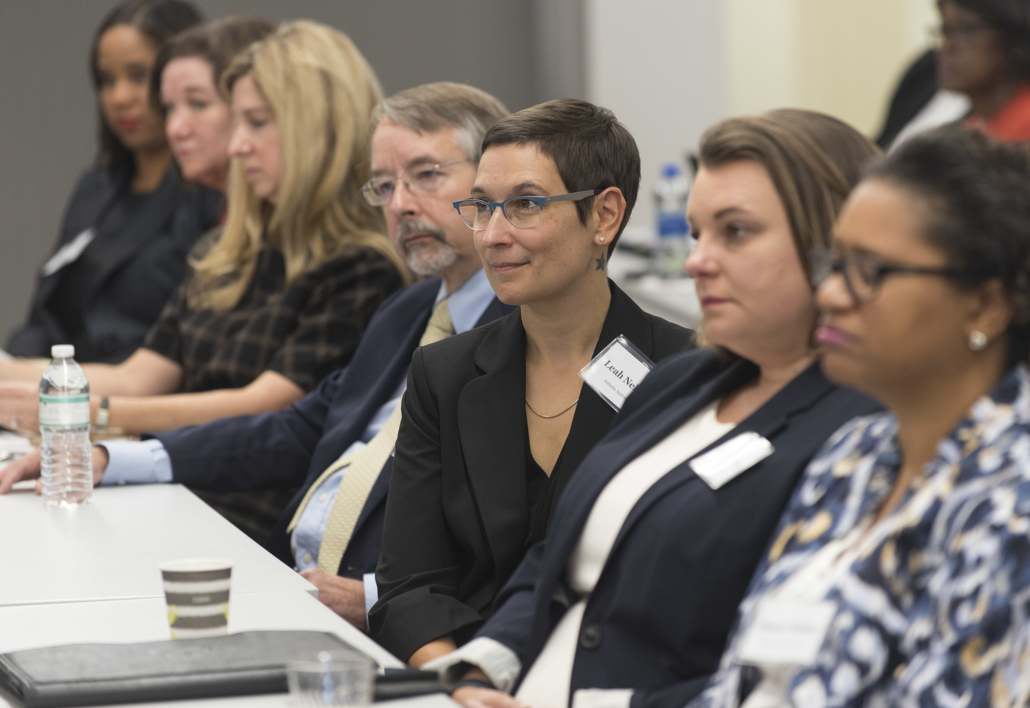
On Dec. 4, 2019, the Governor’s Study Group on Criminal Justice Reform convened at the Alabama Statehouse to hear proposals from the public on how to address Alabama’s prison crisis. Appleseed Research Director Leah Nelson was among the 20 presenters, including families of the incarcerated, formerly incarcerated, advocates, academics, lawyers, direct service providers, and faith leaders who shared proposals.  Below are Leah’s comments, based on Appleseed’s extensive research around prison diversion programs.  

Montgomery, Alabama — My name is Leah Nelson. I’m research director at Alabama Appleseed. I have spent 2 years surveying and interviewing hundreds of people in drug courts and diversion programs.

What I learned is that these programs are too expensive for people who lack wealth to participate in them without making outrageous sacrifices. And they are not designed to accommodate the everyday realities of folks who have jobs, children, or other obligations they must attend to.

Appleseed’s Leah Nelson shares her research on Alabama’s two-tiered justice system with the study group.

How many people in this room could drop everything several times a week to drive to another county to leave a urine sample? How many could get most of a day off once every couple of weeks to spend hours in a courtroom waiting for our chance to speak with a judge? Now imagine doing that if you were a single mom, if you worked at a job that paid by the hour and had an unpredictable schedule, or if you didn’t have a car.

I’d like to tell you a little about two people who cannot be here today.

The first person is a man named Ryan, who is in drug court in Shelby County right this minute and who will go to work after he’s through.

Ryan exemplifies the shortcomings of the system as it currently exists. In 2017, he was convicted of unauthorized possession of a controlled substance and put on probation in Chilton County. In early 2019, he reoffended in Shelby County and was accepted into Shelby’s drug court, widely acknowledged to be one of the toughest in the state.


Ryan excelled in rehab and got his life back together, but he didn’t understand he was supposed to still be checking in with his probation officer in Chilton. He thought his supervision had been consolidated in Shelby. When he learned there was a warrant out for his arrest, he turned himself in. He sat in jail for 3 months while much of the work he had done to rebuild his life disintegrated. He’s out now, but he’s struggling. He earns $400 a week to support himself and his young son. Between drug tests, supervision fees, drug court fees, and fines, he pays about $700 a month. That’s almost half of his income.

The second person I’d like to tell you about is a woman named Amber.

Amber was released from Tutwiler into Madison County Community Corrections this fall. She was so relieved be get home and get back to supporting and caring for her two teenaged sons. She received job training and multiple certifications while she was in Tutwiler. She couldn’t wait to get to work.

And she had to work, because Community Corrections requires her to pay $290/month for electronic monitoring plus another $20/week for drug tests. She had to bring them the first installment within 24 hours of her release or she’d be taken straight back to prison.

Amber has been offered multiple jobs, only to show up for the first day of work and be told they didn’t need her after all because of her felony. Right now, she brings home about $250 per week from unskilled labor she found through a staffing agency which takes part of her paycheck. About a third of her monthly income goes toward electronic monitoring and drug tests alone. That’s unsustainable.


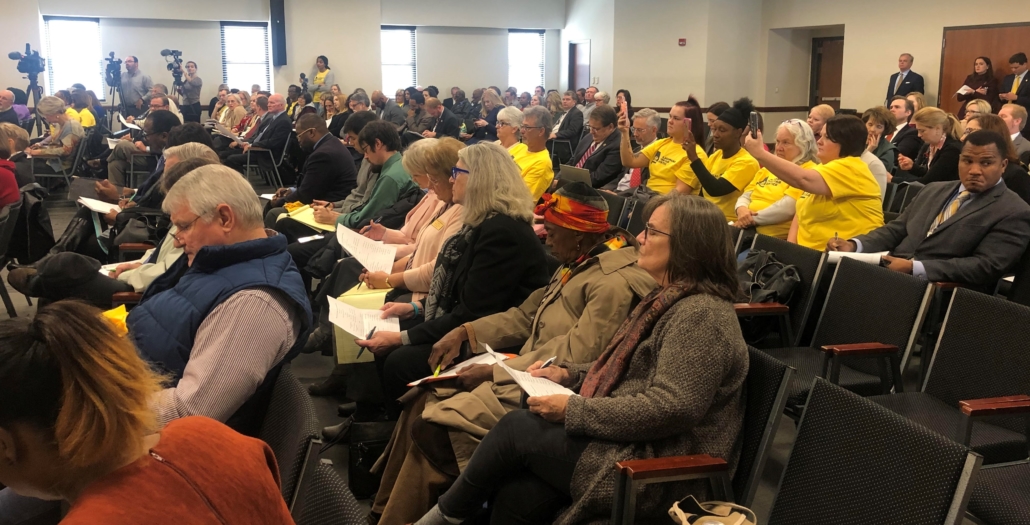
A packed room gathered to hear public proposals at the December 4 meeting of the Governor’s Study Group on Criminal Justice Reform.


She’s terrified of what going back to Tutwiler would mean for her family. When we spoke in late November, she wasn’t sure she’d still be home to spend Christmas with her boys.

Amber and Ryan are far from alone in struggling with the financial and operational obligations of diversion programs in Alabama. These programs have been described to the governor’s study group as unfunded, but that’s not accurate. The state doesn’t pay for them: instead, in most places, diversion programs are funded by the people who participate in them. And those payments are made at a terrible cost.

In 2018, Appleseed worked with partners to survey nearly 900 Alabamians about their experience with the courts. About 20% of the people we surveyed reported they were turned down for a diversion program like drug court because they could not afford it. About 15% had been kicked out of a diversion program because they were unable to keep up with payments.

In 2019, we followed up with a survey of a smaller group of people, all of whom had participated in some form of diversion program. Most of the people we surveyed were poor. 64% of them made less than $20K/year.

Most of them had been found indigent. Most of them had no idea how much the program would cost before they pled in. Yet they were still required to pay a median amount of $1500. Only one in 10 had ever had their payments reduced due to inability to pay.

Without that relief, two thirds gave up a basic necessity like food, rent, or car payments to keep up with their payments. More than a third took out a payday loan. And 30% admitted they had committed a crime to keep up with their payments.

Even so, 30% were forced to drop out because they couldn’t afford it or couldn’t keep up with the frequent drug tests and court appearances. The consequences were dire: One-fifth of people who were unable to complete their diversion program for structural or financial reasons found themselves incarcerated as a result. Our failure to make these programs workable for poor people is driving prison overcrowding.

Alabama can and must make diversion programs more accessible to poor people. To start with, judges should conduct individualized ability to pay determinations that take people’s financial realities into account.

Second, programs should be portable and easy to consolidate. As a rule, no one should be on more than one form of diversion or paying for supervision by multiple jurisdictions or entities. And folks should be able to serve their sentences where they live, not where they offended.

Finally, all diversion programs should track individuals’ progress and remain vigilant about how they can do better.  If these programs are to serve their purpose of giving Alabamians who have made mistakes a second chance and keeping families and communities healthy and strong, they must account for the everyday realities of the people who participate in them.

There is a lot of promise in diversion, but these programs are not accessible to people who lack wealth. If we don’t take steps to correct this, Alabama will continue to have one form of justice for the rich and a very different one for the poor.

In January, 2019, Appleseed will release its full report on the two-tiered justice system created by prison diversion programs funded on the backs of participants.

By Appleseed Executive Director Carla Crowder

As I wrap up a whirlwind first year as executive director of Alabama Appleseed, I could not be more excited about the work we have done and the places we are heading. This has been a banner year for Appleseed. We have confronted laws and policies that harm vulnerable Alabamians, celebrated key victories, and cemented our reputation as a leading advocacy organizations in Alabama. It has been my honor to advance the work of this storied institution, and I wanted to share some highlights with you as 2019 comes to a close. 

At the statehouse, we netted three big legislative wins:

  • Our investigation, litigation, and advocacy around sheriffs personally pocketing tax dollars meant to fund food for inmates in their custody, including one sheriff who purchased a $740,000 beach house with jail food funds, led to the passage of legislation that ends this Depression-era practice once and for all.
  • Our groundbreaking 2018 report on civil asset forfeiture abuses in Alabama, Forfeiting Your Rights, led to legislation that requires law enforcement to track and publicize how much money and property they seize from the people they police. We expect this new, comprehensive, public database to corroborate the widespread abuses we discovered during our investigations, and we will use its findings to lead the charge toward ending civil asset forfeiture altogether.                                                                                                   
  • We also changed laws related to filing fees for indigent people in civil courts. It used to be that a victim’s lawsuit could be thrown out if they could not pay hundreds of dollars in filing fees quickly enough. Not anymore. This year, we succeeded in changing the law so that all Alabamians have greater access to our civil courts regardless of whether they can afford to pay the filing fees. 

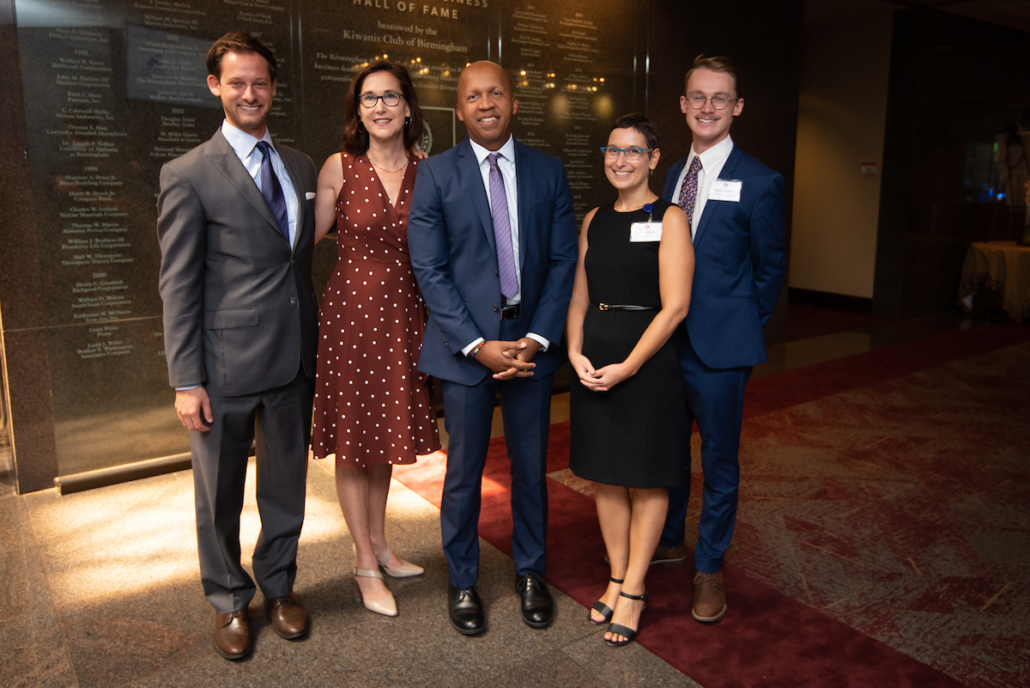
 Appleseed staff with Brewer Torbert honoree Bryan Stevenson

In 2019, we also continued our service as the preeminent, trusted source for trailblazing public policy research and game-changing reports that document the harms of bad laws in Alabama. We published two major reports in 2019: Broke: How Payday Lenders Crush Alabama Communities, and Hall Monitors with Handcuffs: How Alabama’s Unregulated, Unmonitored School Resource Officer Program Threatens the State’s Most Vulnerable Children. We simultaneously completed intensive, statewide research projects that will underpin forthcoming reports in 2020. These reports are the foundation of our approach to advocacy. Our investigative work quantifies, makes visible, and humanizes the issues; it sparks the data-informed, solution-oriented conversations that lead to new ways forward; it is the resource that we take to legislators and to communities across the state as we make the case for change.                                                                                       

And indeed, an essential part of our mission is ensuring that our research does not just live on a bookshelf. That’s why we have led public events, community forums, town halls, and stakeholder meetings all across Alabama in 2019, from Dothan to Florence, from Huntsville to Mobile, from Tuscaloosa to Phenix City, from Andalusia to Birmingham. You can be sure that in 2020, we will be inviting people into our work in a community near you, if not in your hometown. The issues we tackle are statewide in nature, and we are committed to a statewide strategy to win a better Alabama. We need all of us engaged in this work. 

Perhaps our most poignant victory  was our representation of Mr. Alvin Kennard, a remarkable gentleman who spent 36 years in an Alabama prison following a $50 robbery in 1983. Mr. Kennard is one of hundreds of people who were sentenced to life without parole under Alabama’s harsh “Three Strikes” law. Our success in charting a path out of prison for Mr. Kennard someone who poses no threat to society has raised hopes that others may soon return to their families.   

We are exploring options to scale this work up to help other people sentenced to die in prison for offenses with no serious injury. It is just one part of our work to confront Alabama’s dire prison crisis, which was documented this April by a Department of Justice report that declared Alabama’s prison system unconstitutional. Today, only a few months since his release, Mr. Kennard is living with family and gainfully employed at a car dealership.                                                                                                                                                         

We are proud of these accomplishments all the more so because we have achieved them with a small team on a small budget. Our team of four dedicated and inventive staff members at Alabama Appleseed stretches every dollar to tackle the toughest challenges in this state. We have cultivated a statewide network of supporters, allies, and advocates that we bring to bear at the legislature, and our work has garnered national attention and acclaim from voices as varied as The New York Times, NPR, FOX News, The Washington Post, Reason Magazine, the Brookings Institution, and the Aspen Institute.  

Alabama needs Appleseed more than ever, and we are ready. As we reflect on this year of hard-earned victories, I thank you for your financial support and I ask that you stay with us in the coming year. Justice and equity for all Alabamians cannot be won without you. 

I hope that you have a happy holiday season, and that you feel proud of the work you have made possible this year. At Appleseed, we believe in a better Alabama, and we’re fighting for it. We will see you in the new year. 


Appleseed Research Director Leah Nelson listens to expert panelists at our Fines and Fees event with the Aspen Institute.


By Carla Crowder, Appleseed Executive Director

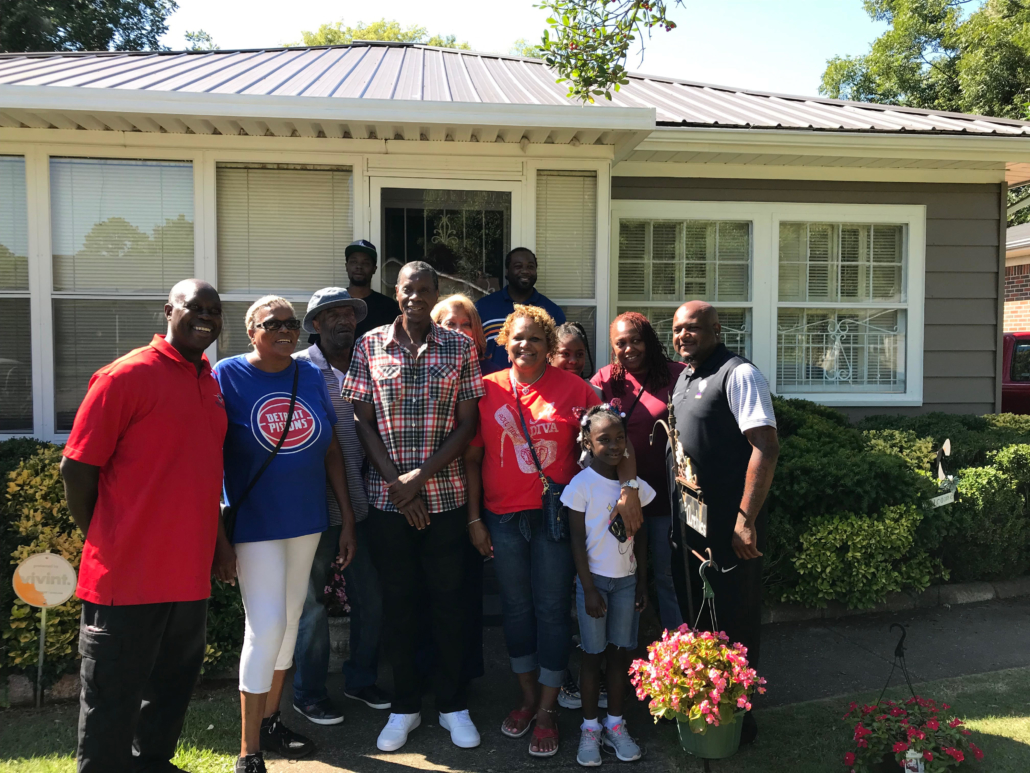
BESSEMER — Alvin Kennard is a free man, home surrounded by family and friends after 36 years in an Alabama prison for a $50 robbery in 1983.

He couldn’t stop smiling and thanking God for an opportunity too long coming. He says he’s grateful, overjoyed, and not mad.  Mr. Kennard has more patience than I will ever muster concerning Alabama’s draconian laws, excessive sentences for minor crimes, and permanent punishment of the poor.

Bessemer Judge David Carpenter appointed me to represent Mr. Kennard this spring.  Judge Carpenter knew about our work at Alabama Appleseed around poverty and the criminal justice system.  He noticed Mr. Kennard’s unusual sentence — life without parole for $50 from a bakery — through a routine pro se court filing that came across his desk.  With no attorney, Mr. Kennard was trying to get the judge’s attention. 

Turned out, Mr. Kennard lived in Donaldson’s faith dorm. He’d been in no trouble for 15 years.  He had family who still regularly visited him and put money into his prison account so he could have decent shoes. Had he been sentenced today, under Alabama’s Sentencing Guidelines, he would have been eligible for a maximum sentence of about 20 years.

Tuesday, I stood with Mr. Kennard as Judge Carpenter righted this wrong and resentenced this 58-year-old man to time served.  The courtroom erupted with joy from the crowd gathered to support a man who previously had been condemned to die in prison.

While this week’s events have been incredible for Alvin Kennard, there are hundreds more Alvins in Alabama’s prisons, men and women serving life without parole for offenses in which no one was injured.  There are thousands more serving life sentences who are at the whim of an increasingly politicized parole board.

Alabama’s embrace of permanent punishment has contributed to our prison crisis.  Alabama has the most overcrowded, corrupt, and violent prisons in the country, described as unconstitutional by the  U.S. Department of Justice. It extends to our communities, where people in poverty are jailed for inability to pay court fines and fees, and lose drivers licenses and jobs over traffic violations and minor misdemeanors.  It extends into our drug policy, where 1,000 Alabamians per year are saddled with felony convictions for possession of marijuana, a substance that’s legal in states where half of Americans live. 

So while today was for rejoicing with one of the kindest, gentlest clients I have ever had the pleasure to represent, tomorrow we have our work cut out for us here at Appleseed. 

By Carla Crowder, Executive Director

A few weeks ago, a search dog working for Alabama’s Department of Corrections sadly died after exposure to contraband narcotics.  ADOC leadership, including Commissioner Jefferson Dunn, gathered for his funeral complete with 21-gun salute, an American flag presentation, and media coverage. His name was Jake.  

Over the last two years, at least 22 people in state prisons have also died from narcotics overdoses, primarily synthetic cannabinoid, according to a U.S. Department of Justice report, which suggests ADOC staff who are not screened before entry are likely responsible.  Prison incident reports list these deaths as “natural.”

We don’t know their names.

Why? Because Alabama’s 45-year history of incarcerating vast numbers of people cheaply has produced disastrous results. 

We failed in 1975 when U.S. District Judge Frank Johnson found “massive constitutional infirmities which plague Alabama’s prisons.”  And we are failing now with violence, homicide, and drug overdoses so pervasive that the ADOC cannot keep track of who dies in its custody, as the U.S. Justice Department documented in April after its two-year investigation again found our prisons unconstitutional.   A raft of federal cases and investigations in between reached the same conclusion.

All along, Alabama incarceration rates have remained the fifth-highest in the country, prison spending the lowest, yet our violent crime rates are higher than most every other southeastern state.  Our tough-on-crime ideology is not making us safer. And spending too little is costing us too much: in death, in degradation, and in suffering.

Any other public policy that produced such dismal outcomes would surely be scrapped. 

Instead, the state is talking about doubling down.   Its main plan to address this crisis involves continuing to incarcerate vast numbers of people on the cheap. 

Gov. Kay Ivey has proposed a public-private partnership that relies on private corporations to build and own three new megaprisons with the state leasing approximately 9,000 beds. This can be done with no tax increases, state leaders insist, which means Alabama can keep doing what it has always done.

“I am confident that the development of these facilities will be a major step forward,” Governor Ivey said in an announcement June 27 that the state has begun the procurement process for new prisons. 

This proposal is deeply troubling to those of us who have watched the for-profit prison industry overpromise to states and cities for 25 years, create nightmare prisons from Idaho to Mississippi, then rebrand itself as a real estate business. 

As recently as 2012, Federal District Judge Carleton Reeves wrote that the GEO Group-managed Walnut Grove Juvenile Detention Center in Mississippi was “a picture of such horror as should be unrealized anywhere in the civilized world” and “a cesspool of unconstitutional and inhuman acts.”  Will this company be welcomed into Alabama?

In its new role as landlord, CoreCivic, formerly Corrections Corporation of America, failed to repair rusted doors, replace damaged windows, seal cracks in the walls and floors, and patch leaks in the roof, even though maintaining the Hernando County Jail near Tampa, Florida was a requirement in its contract with the county.  The County took over and was hit with $1 million in deferred maintenance costs. Will we lease our largest prisons from them?  

Private construction of just one massive high-tech prison in Pennsylvania, SCI Phoenix, ran nearly three years behind schedule, as the Philadelphia Inquirer reported.. The state was forced to move prisoners into the facility, touted as a creative public-private partnership, before construction was complete.  Lawsuits abound. 

Already, the State of Alabama has proven its inability to house people humanely.  Adding private companies with abysmal human rights records and a mandate to turn a profit into the mix does not bode well.

It is also deeply troubling when contrasted with the smarter approach of other southern states such as Texas and North Carolina, which are closing prisons and increasing rehabilitative community options without sacrificing public safety.  In fact, since 2011, at least 22 states have closed or announced closures for 94 state prisons and juvenile facilities, resulting in the elimination of more than 48,000 state prison beds and an estimated cost savings of over $345 million, primarily in favor of rehabilative options. according to Governing Magazine. 

Alabama has not yet locked down the details of building itself out of this crisis. If we can find the political will, there is a better way.  

The court system touts drug courts, pre-trial diversion, and similar community-based options as alternatives to incarceration, as second chances.  But these programs are an inconsistent patchwork at best, and more importantly, they are not well funded. Instead, poor people are expected to pay thousands in fees — administrative fees, drug-testing fees, treatment fees, evaluation fees, and so on — and spend hours away from work for court appearances.  If they can’t keep up, they don’t graduate, then they become poor people with felony convictions, and usually no drivers licenses. 

Instead of pouring nearly a billion dollars into new prisons, Alabama could shore up these kinds of community alternatives rather than expecting indigent people to pay for them.  Along the way, the State must confront the fact that our bare bones spending on mental health and substance abuse services — 50th in the country — contributes to incarceration.  

Also, we must improve re-entry services for the formerly incarcerated. People usually leave prison with no identification, no job, and thousands of dollars in court fines and fees.  Churches and nonprofits — many ably run by formerly incarcerated people who know the obstacles and solutions better than anyone else — are struggling mightily to bridge the gaps. Again, a fraction of the new-prison money invested into re-entry services would change outcomes.     

Finally, anyone touting new prisons should closely read the Department of Justice report which unsparing makes clear that “new facilities alone will not resolve the contributing factors to the overall unconstitutional condition of ADOC prisons, such as understaffing, culture, management deficiencies, corruption, policies, training, non-existent investigations, violence, illicit drugs, and sexual abuse. And new facilities would quickly fall into a state of disrepair if prisoners are unsupervised and largely left to their own devices, as is currently the case.” 

We cannot build our way out of this problem. Instead, we need to invest in community-based solutions and mental health services that help prevent people from ending up in prisons to begin with, and support them after they come out. Smart investment in criminal justice reform would improve public safety, increase our workforce – something the Governor says is a top priority – and make Alabama more prosperous. Penny-wise, dollar foolish investments like the plan to keep on doing what we’ve always done – lock our neighbors up as cheaply as possible – will most likely result in more of the same horrific results.